
Chlorine plays a critical role in tap water safety, but it can also form chlorine disinfection byproducts when it reacts with organic matter. While regulated, long-term exposure is still a concern for many homeowners. The right water filtration system can help reduce these contaminants and improve overall water quality at home.
Chlorine disinfection byproducts are an important but often overlooked part of tap water safety. Chlorine is added to municipal water to eliminate harmful bacteria and viruses, making drinking water significantly safer. However, when chlorine interacts with natural organic matter in water, it can form additional compounds that may impact long-term water quality.
This doesn’t mean chlorine should be avoided—it’s essential for public health. But it does mean homeowners should understand both the benefits and tradeoffs. With the right approach, you can maintain safe water while reducing unwanted contaminants through effective water filtration.
What Are Chlorine Disinfection Byproducts?
Chlorine disinfection byproducts are chemicals that form when chlorine reacts with organic material in water during treatment.
The most commonly regulated types include trihalomethanes (TTHMs) and haloacetic acids (HAA5). These compounds are not added intentionally—they are a byproduct of the disinfection process itself.
Even when water meets safety standards, these byproducts can still be present at low levels, which is why many homeowners look for ways to reduce exposure at the point of use.
Water can meet regulatory standards and still have noticeable taste, odor, or chemical characteristics that lead homeowners to seek additional filtration.
Are Chlorine Disinfection Byproducts a Tap Water Safety Concern?
Yes, they can be a concern when exposure levels are elevated over long periods, which is why they are regulated in public drinking water.
The key difference is between immediate and long-term risk. Chlorine protects against immediate health threats like bacteria, while byproducts are monitored due to potential long-term exposure concerns.
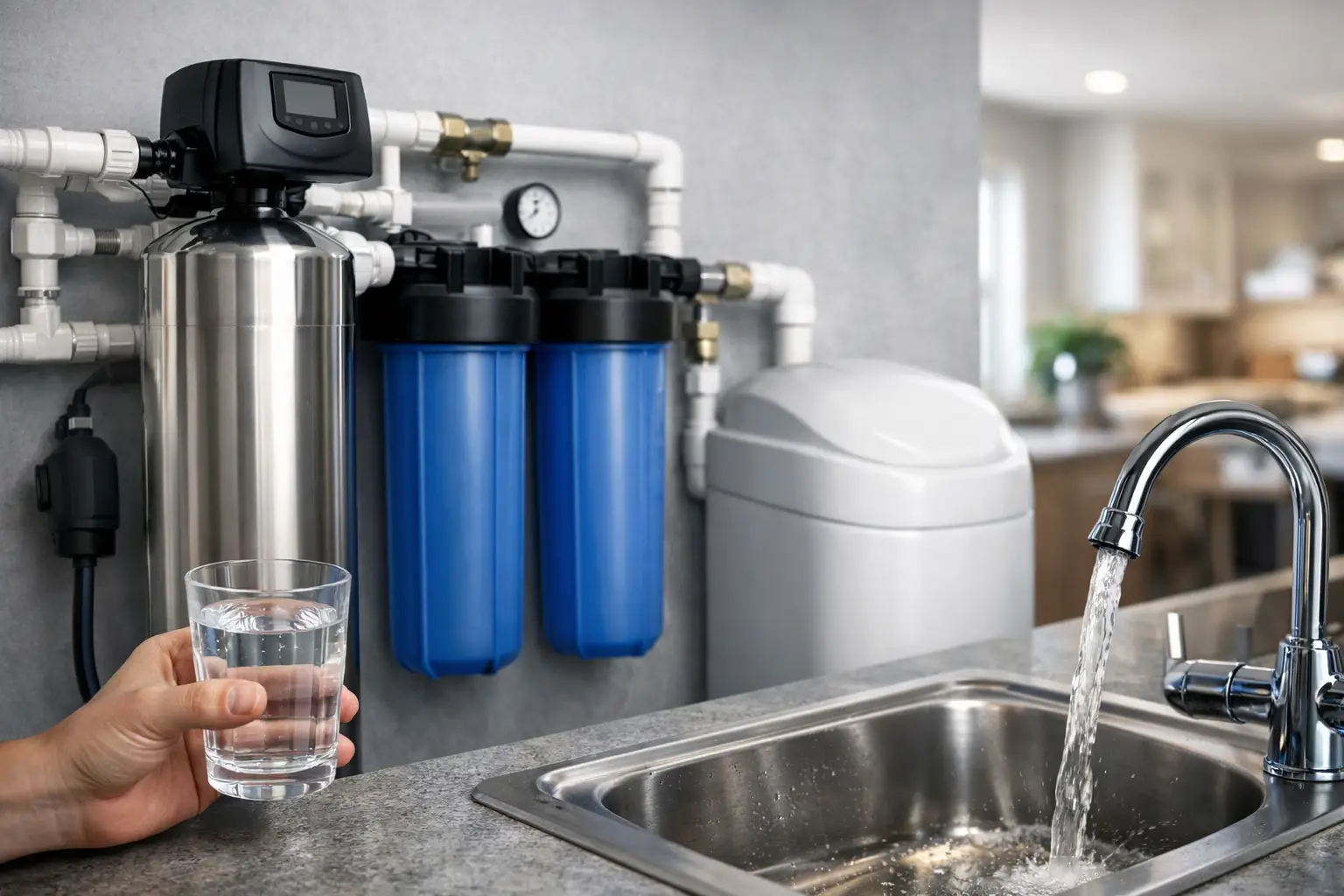
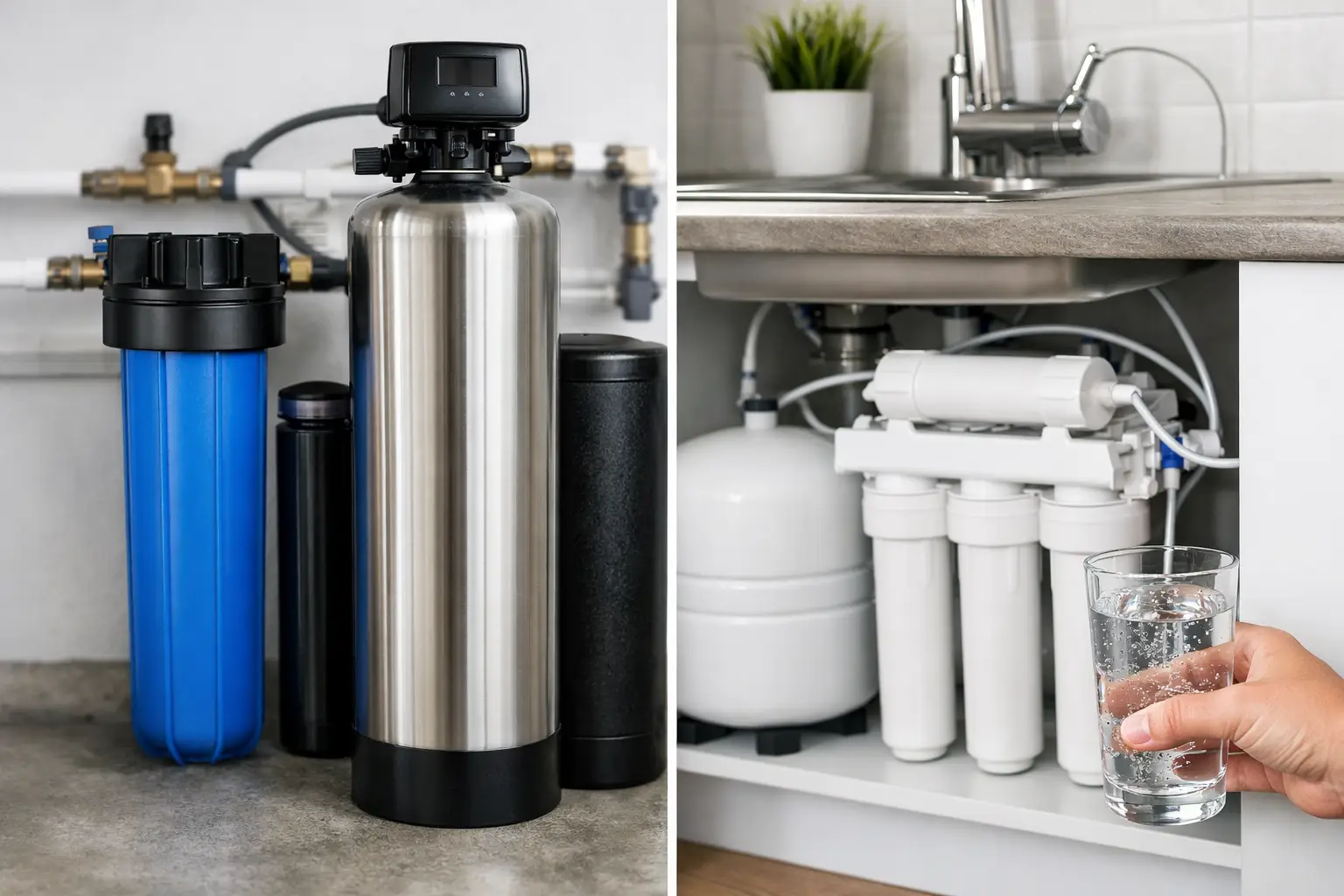
For homeowners looking to improve their water quality beyond basic compliance, installing a whole-home water filtration system can help reduce chlorine-related contaminants and improve overall water quality.
Why Do These Byproducts Form?
These byproducts form when chlorine reacts with naturally occurring organic matter in the water supply.
Factors that influence this include water source quality, temperature, and how long water remains in the distribution system. This is why water quality can vary depending on location and time of year.
- Review your local water quality report annually
- Monitor seasonal changes in taste or odor
- Replace filters regularly for best performance
- Choose systems designed for your specific water concerns
What Health Risks Are Associated With Chlorine Byproducts?
Long-term exposure to elevated levels of certain chlorine disinfection byproducts has been associated with increased health risks.
This is why regulatory agencies set limits on compounds like TTHMs and HAA5. While most municipal water supplies remain within these limits, many homeowners still choose to reduce exposure further as part of a proactive health approach.
If you’re focused on improving drinking water quality, a reverse osmosis system can provide an additional layer of protection at the tap.
- Strong chlorine smell or taste
- Concerns about long-term exposure
- Changes in water quality over time
- Households seeking higher-quality drinking water
How Can Water Filtration Help?
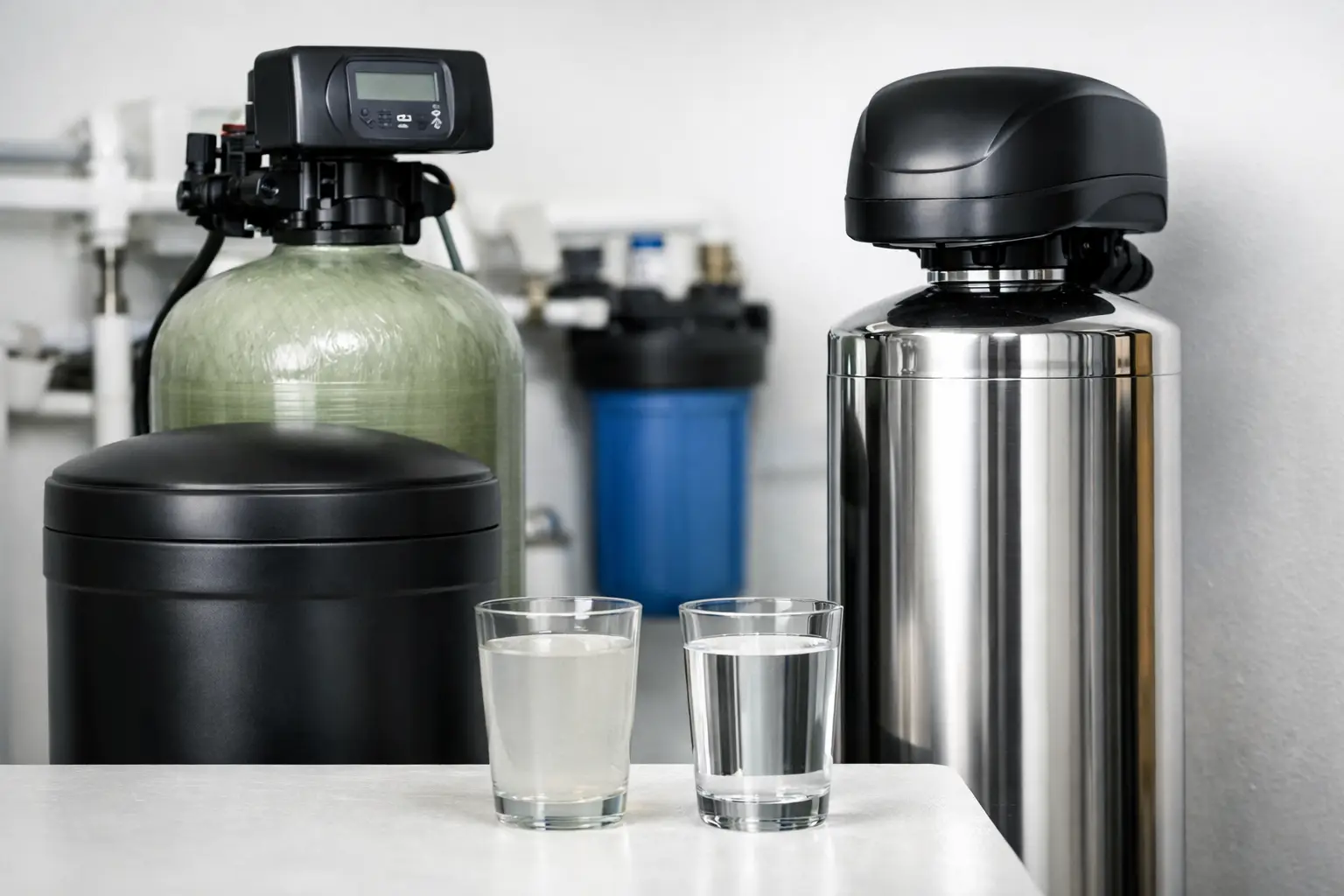
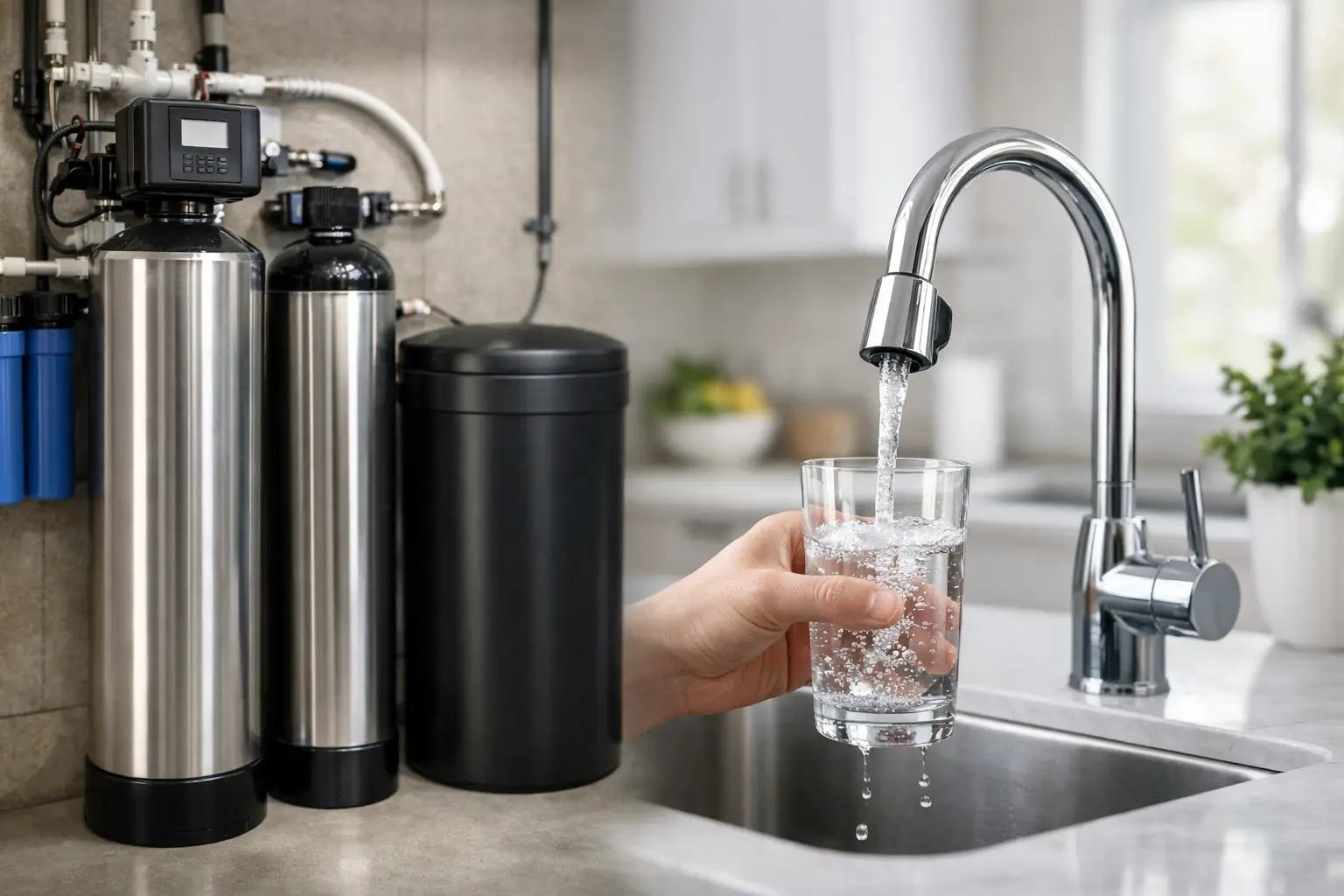
The right water filtration system can reduce chlorine, improve taste and odor, and help address certain byproducts.
Not all filters are the same. Some are designed for basic improvement, while others provide more advanced treatment. Choosing the right system depends on your goals and your home’s specific water conditions.
If you’re unsure where to start, it’s best to connect with a local water expert who can recommend the right solution.
- Point-of-use systems for drinking water
- Whole-home systems for full coverage
- Customized solutions for specific concerns
Local Water Considerations
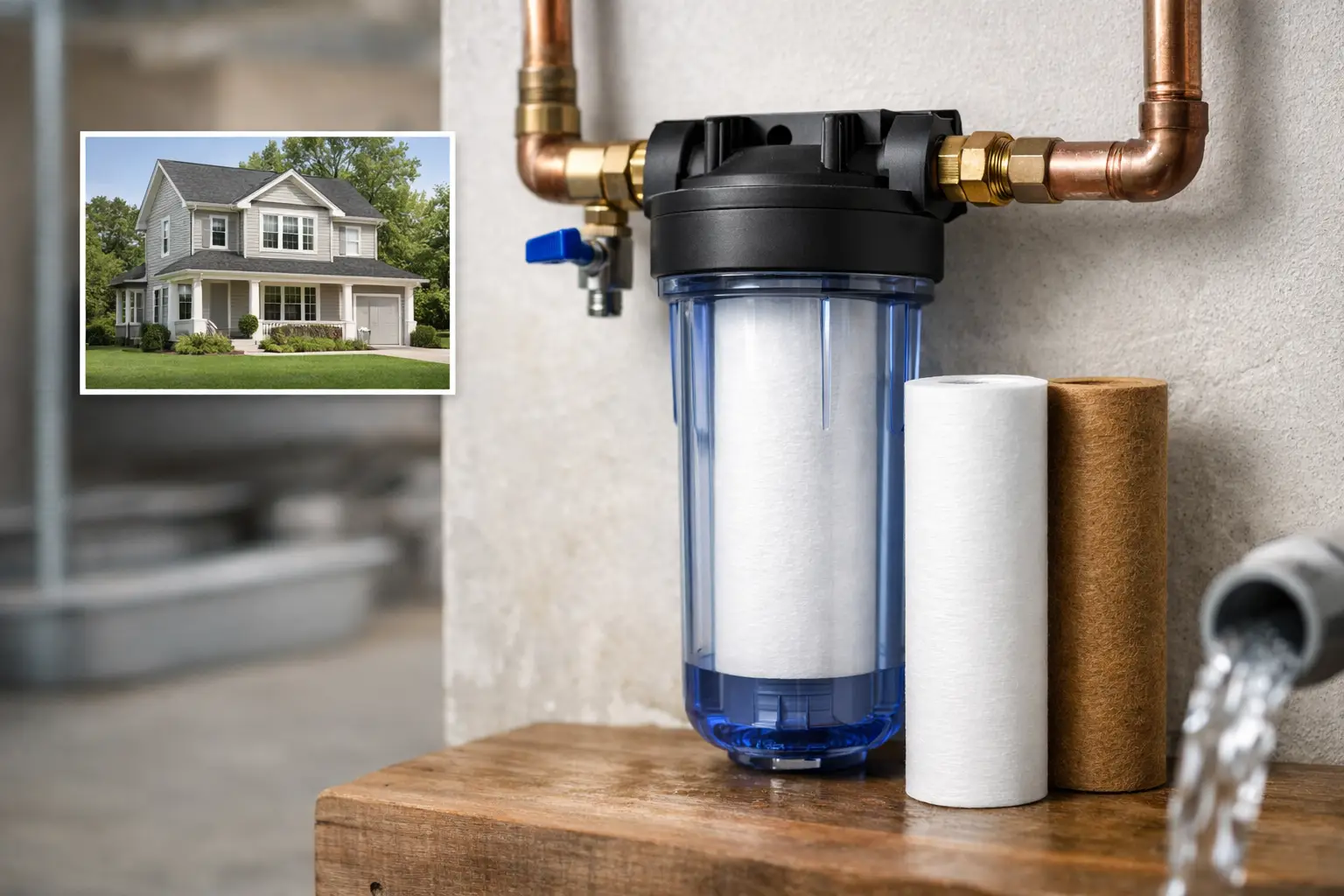
Water quality can vary significantly by region. Factors such as source water, infrastructure, and seasonal changes all influence how chlorine and its byproducts behave before reaching your home.
Working with a provider that understands local water conditions ensures your system is designed for your specific needs—not a one-size-fits-all solution.
Frequently Asked Questions About Chlorine Disinfection Byproducts
What are chlorine disinfection byproducts?
Is chlorine in tap water unsafe?
Can filtration reduce chlorine byproducts?
Do I need a filtration system?
Conclusion: Take Control of Your Water Quality
Chlorine is essential for safe drinking water, but its byproducts are worth understanding. With the right information and the right system, you can improve your water quality and reduce unnecessary exposure.
If you’re ready to upgrade your water, now is the time to find out how to remove chlorine now with a solution tailored to your home.