
If your water leaves white scale on faucets, smells like chlorine in the shower, stains sinks orange, or just never tastes quite right, the answer is usually not a one-size-fits-all filter. The best whole house water treatment systems are the ones built around your actual water chemistry, your home size, and the problems you want to solve every day.
That matters because whole-home water treatment affects more than drinking water. It changes how your skin feels after a shower, how long appliances last, how often you scrub fixtures, and whether your family feels confident using water from every tap. A good system can make daily life noticeably better. The wrong one can waste money while leaving the real issue untouched.
What makes the best whole house water treatment systems?
The short answer is performance matched to the problem. A system is only “best” if it treats the contaminants or water conditions you actually have.
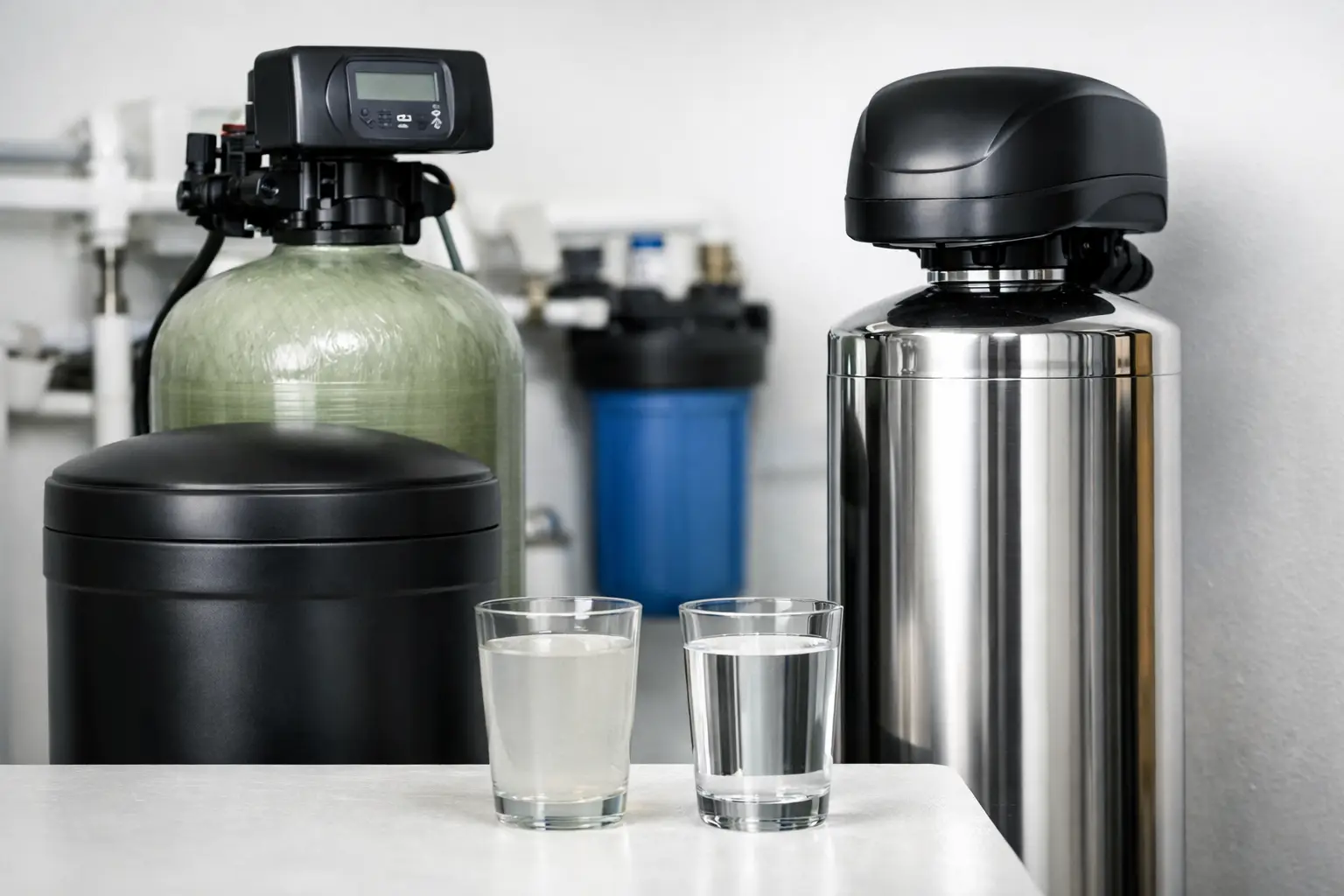
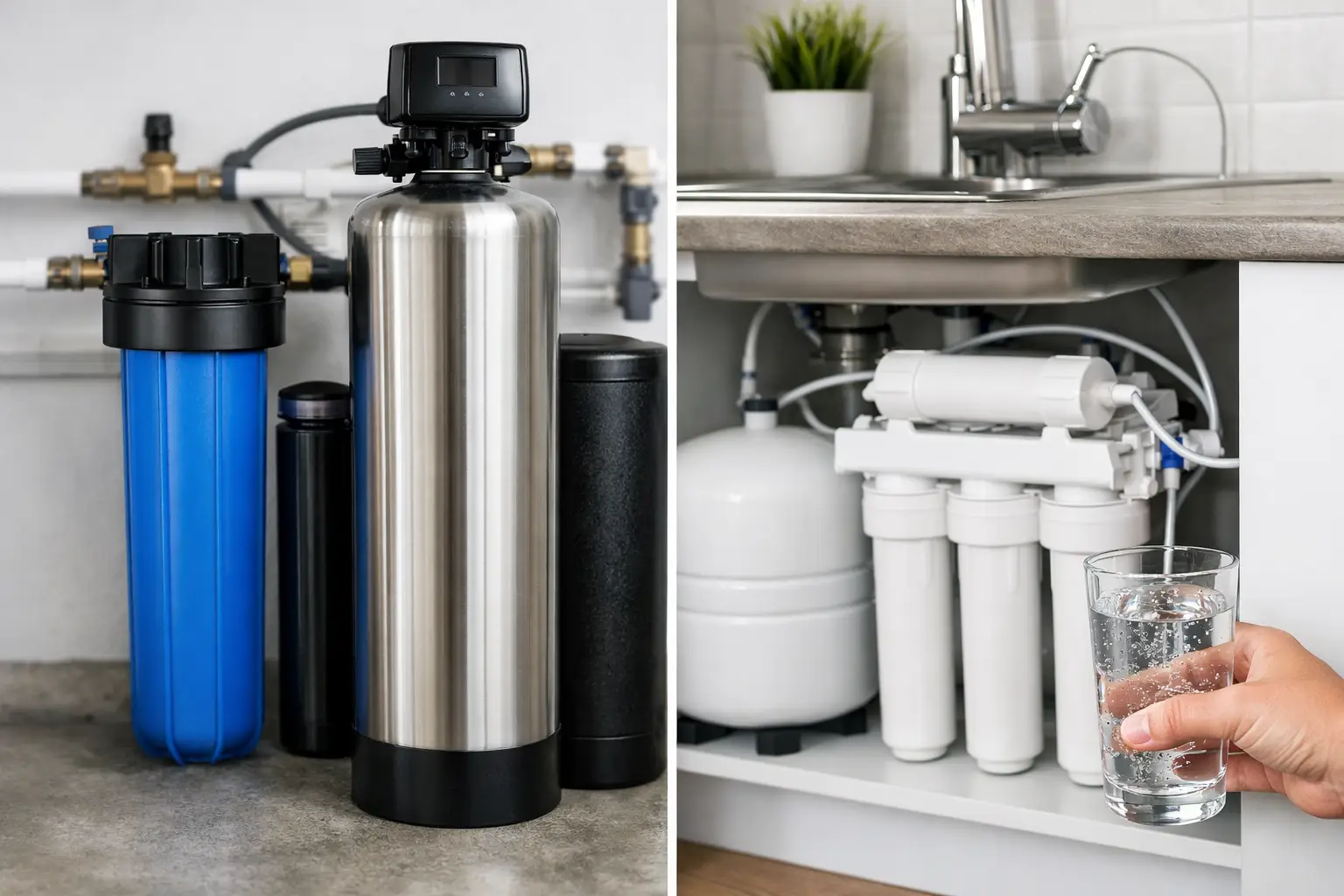
For one home, that may mean a carbon filtration system designed to reduce chlorine and chloramine while improving taste and odor. For another, it may mean a water softener to stop hard water scale and help soap rinse cleanly. If you have well water, the better fit could be a combination of sediment filtration, iron or sulfur treatment, UV disinfection, or pH correction. In many cases, the best setup is not a single tank but a staged system that handles multiple issues in the right order.
This is where many homeowners get stuck. Product labels can make different systems sound interchangeable when they are not. Carbon does not fix hardness. A softener does not remove chlorine. Sediment filters do not solve sulfur odors. And reverse osmosis, while excellent for drinking water, is usually a point-of-use solution rather than the main answer for an entire house.
Start with your water problem, not the product name
Choosing from the best whole house water treatment systems gets much easier when you begin with symptoms and test results.
If you are on city water, common concerns include chlorine, chloramine, chemical taste, odor, sediment from older infrastructure, and sometimes elevated levels of specific contaminants. If you are on well water, hardness, iron, manganese, sulfur, sediment, tannins, bacteria, low pH, and nitrates may be part of the picture. Even homes in the same neighborhood can have different water conditions, especially with private wells.
A proper water test gives you clarity. It tells you whether your issue is cosmetic, like staining and odor, or something that calls for targeted contaminant reduction. It also helps size the equipment correctly. That matters because undersized systems can lose effectiveness too quickly, while oversized systems may add unnecessary cost.
The most common system types and when they make sense
Whole-house carbon filtration
Carbon filtration is one of the most popular options for municipal water, and for good reason. It is often the right fit when your biggest concerns are chlorine, chloramine, unpleasant taste, odor, and a general desire for cleaner water throughout the home.
Not all carbon systems perform the same way. Basic granular activated carbon can work well for chlorine reduction. Catalytic carbon is often the stronger choice when chloramine or certain volatile organic compounds are part of the concern. The media type, tank size, contact time, and flow rate all affect real-world performance.
For many families, this is the system that makes showers smell better, water taste cleaner, and everyday use feel more comfortable. But if your water is also hard, carbon alone will not protect plumbing or appliances from scale.
Water softeners
If dishes come out spotted, fixtures build crusty scale, water heaters lose efficiency, and your skin feels dry after bathing, hard water is likely a major issue. In that case, a water softener is often one of the best whole house water treatment systems you can install.
Softeners remove hardness minerals like calcium and magnesium through ion exchange. The payoff is practical and immediate – less scale buildup, better soap performance, softer laundry, and longer appliance life.
The trade-off is that softeners are designed for hardness, not broad contaminant removal. If chlorine or odor bothers you too, pairing a softener with whole-house filtration is usually the stronger solution.
Salt-free conditioners
Salt-free systems appeal to homeowners who want lower maintenance and no added sodium. They can help reduce scale formation in some applications, but they do not soften water in the traditional sense and they do not remove hardness minerals.
That distinction matters. If you have severe hardness and want the classic benefits of truly soft water, a salt-based softener usually performs better. If your goal is scale control with fewer maintenance demands, a salt-free conditioner may still be worth considering.
Sediment and specialty well water treatment
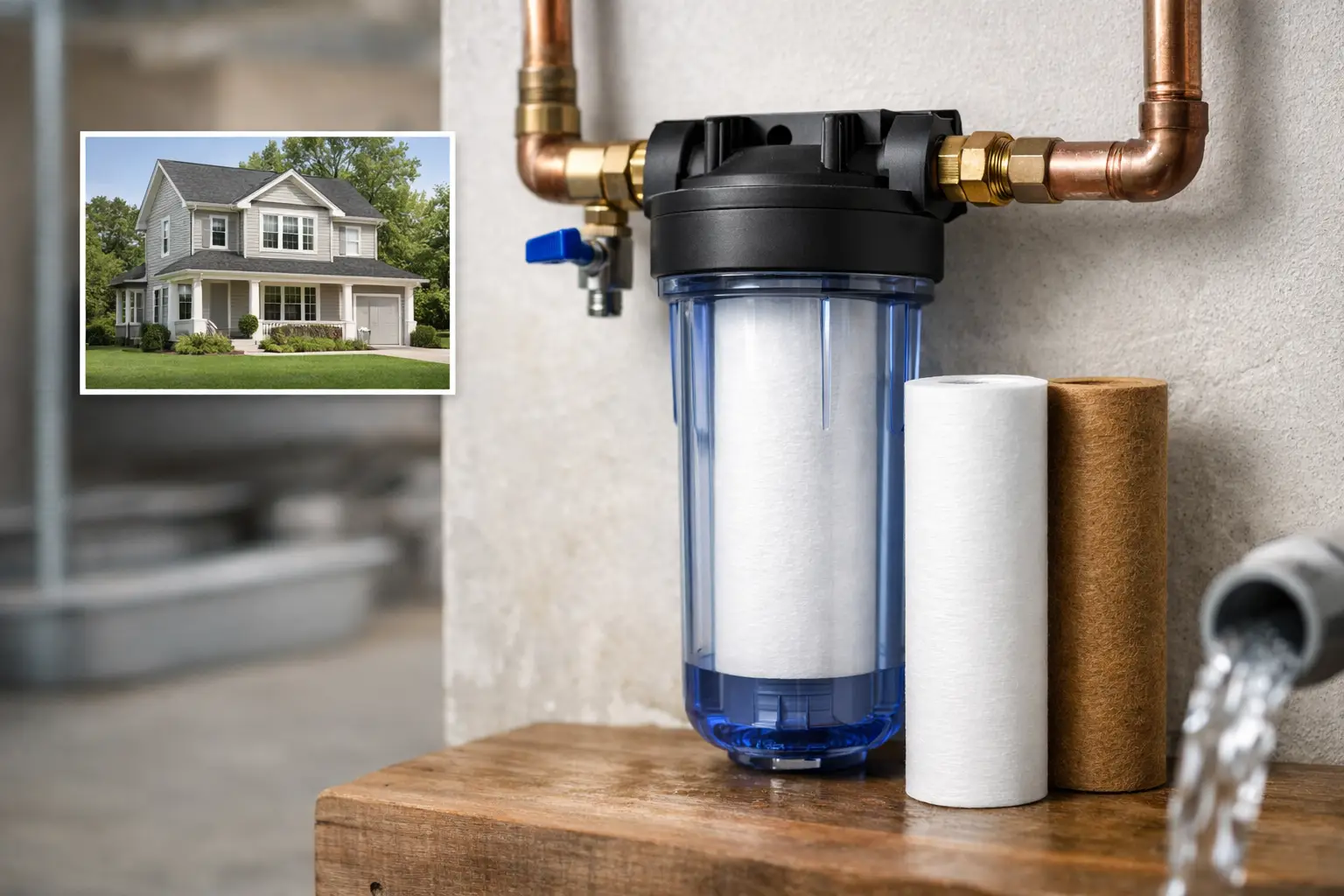
Well water often needs more tailored treatment. Sediment filters protect downstream equipment from sand, silt, and debris. Iron filters address red or brown staining and metallic taste. Sulfur treatment targets that rotten egg odor many well owners know too well. Neutralizers can raise low pH to reduce corrosive effects on plumbing.
When bacteria or microbial risks are a concern, UV disinfection may be part of the system. If nitrates, arsenic, or fluoride are present, that often requires a more specialized treatment strategy, sometimes paired with reverse osmosis at the kitchen sink for drinking and cooking water.
Reverse osmosis as part of a complete plan
RO is excellent for high-quality drinking water because it can reduce a wide range of dissolved contaminants. But for most homes, it works best as a point-of-use system, not as the main whole-house treatment method.
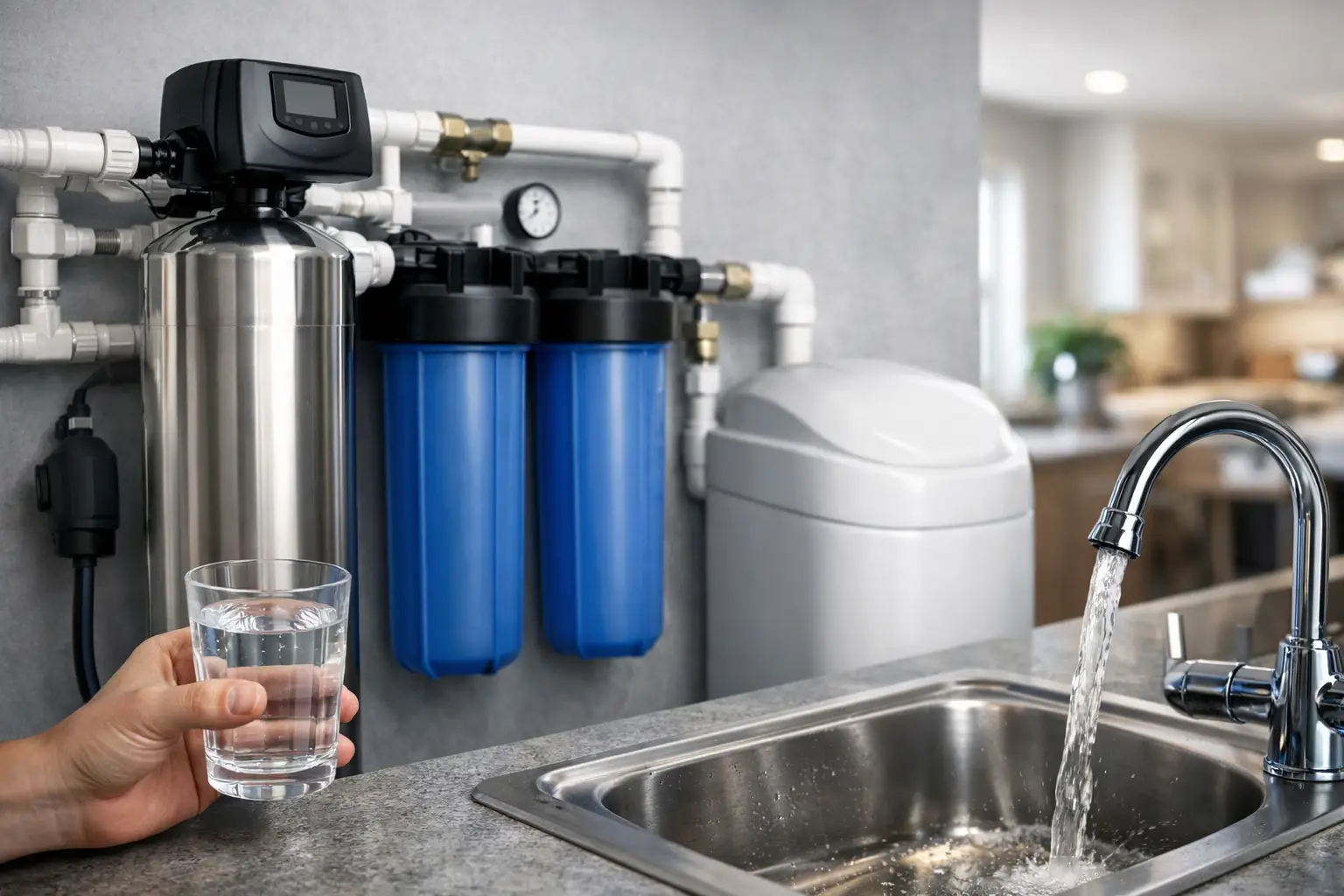
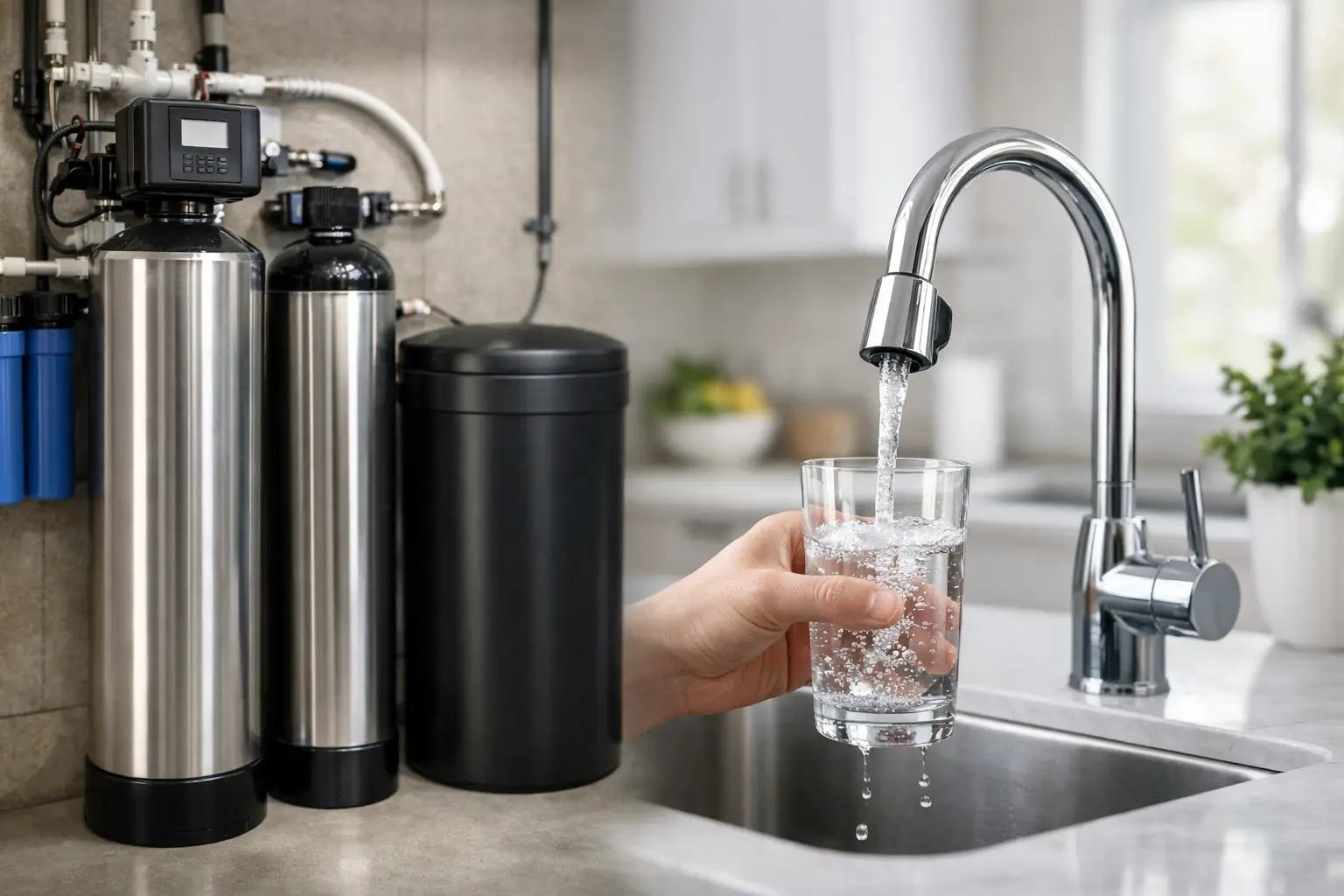
That does not make it less valuable. In many homes, the ideal setup is whole-house treatment for bathing, cleaning, laundry, and appliance protection, plus reverse osmosis for the water you drink most.
How to choose the right system for your home
The best decision usually comes down to five factors: water source, contaminant profile, household size, flow rate needs, and maintenance expectations.
Water source is the first big divider. City water and well water rarely need the same solution. After that, look at your actual water problems. Are you trying to reduce chlorine exposure? Solve hardness? Stop iron staining? Remove sulfur odor? Protect against bacteria? Each goal points toward a different treatment approach.
Household size matters because a system has to keep up with real daily demand. A family with multiple bathrooms, a larger water heater, and back-to-back showers needs different sizing than a smaller household. Flow rate matters too. A system that restricts pressure during peak use will not feel like an upgrade, no matter how good the filtration media is.
Maintenance is where honest expectations help. Some systems need salt refills, media replacement, prefilter changes, periodic sanitizing, or annual lamp replacement for UV. None of that is inherently bad. It just needs to fit your routine and budget.
Avoid these common buying mistakes
The biggest mistake is buying based on marketing claims instead of water conditions. Terms like “premium” and “advanced” do not tell you whether a system addresses your issue.
Another common problem is trying to solve multiple issues with one device that was not built for them. If your water is hard and heavily chlorinated, you may need both a softener and a filtration system. If your well water has iron, sulfur, and sediment, a staged setup is usually more effective than a single all-purpose tank.
It is also easy to underestimate installation and service. Good equipment still needs proper setup, correct programming, and support after the sale. That is one reason many homeowners prefer working with water treatment specialists who can interpret test results, recommend the right combination, and help with maintenance over time.
The best whole house water treatment systems are customized, not generic
This is the part many national brands and big-box product pages gloss over. There is no universal best system for every home. There is only the best fit for your water.
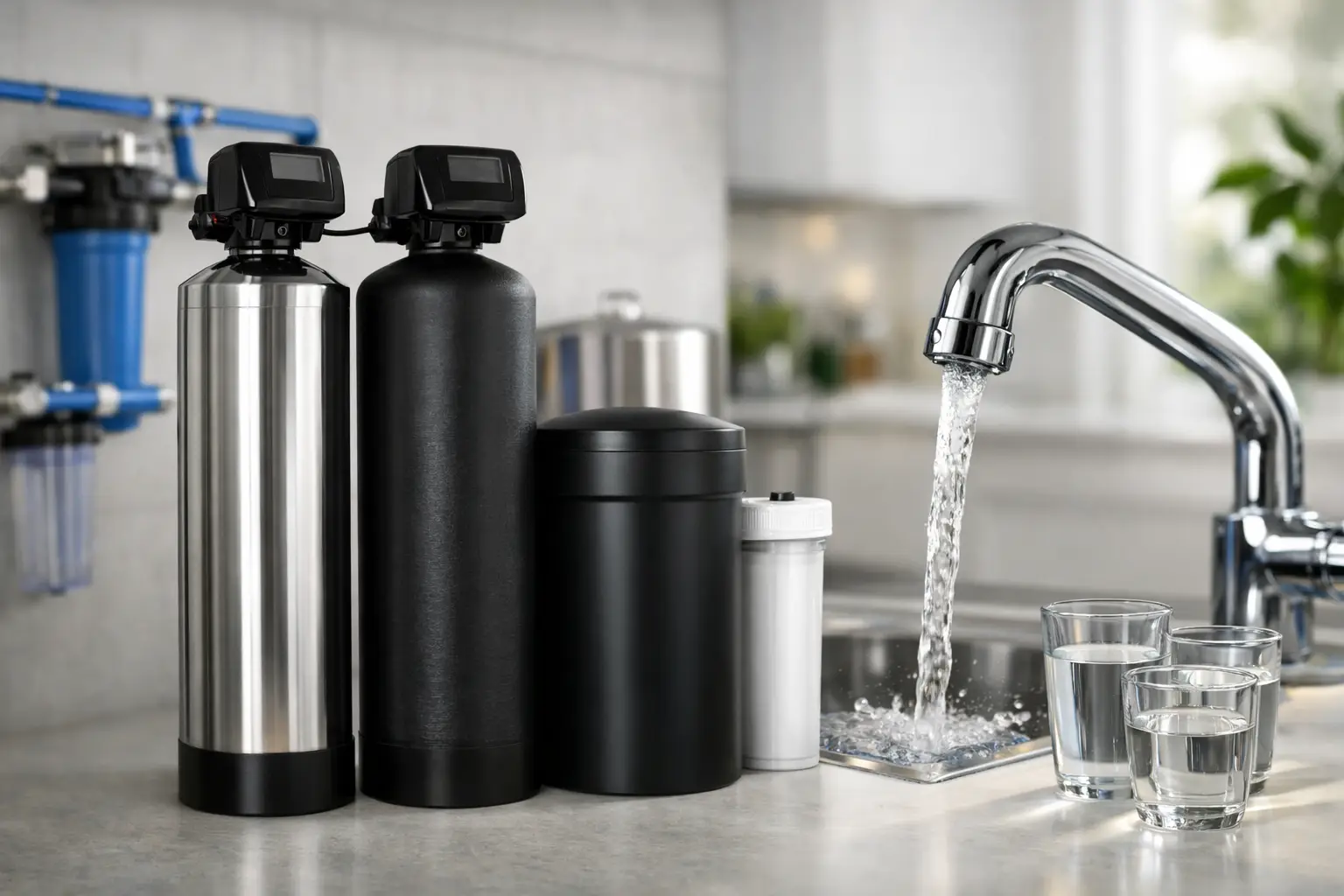
For some households, that means a whole-house catalytic carbon filter paired with reverse osmosis at the sink. For others, it means a softener and sediment prefiltration. For well water homes, it might be a layered approach that includes iron treatment, sulfur reduction, UV, and pH correction. When the system is matched properly, the difference is not just technical. It shows up in cleaner glassware, better-tasting water, fewer plumbing headaches, and more peace of mind.
That is why the smartest first step is not guessing. It is getting clear on what is in your water and choosing a system that solves that specific problem without adding unnecessary complexity. Clean, great-tasting water should feel simple once the right system is in place.