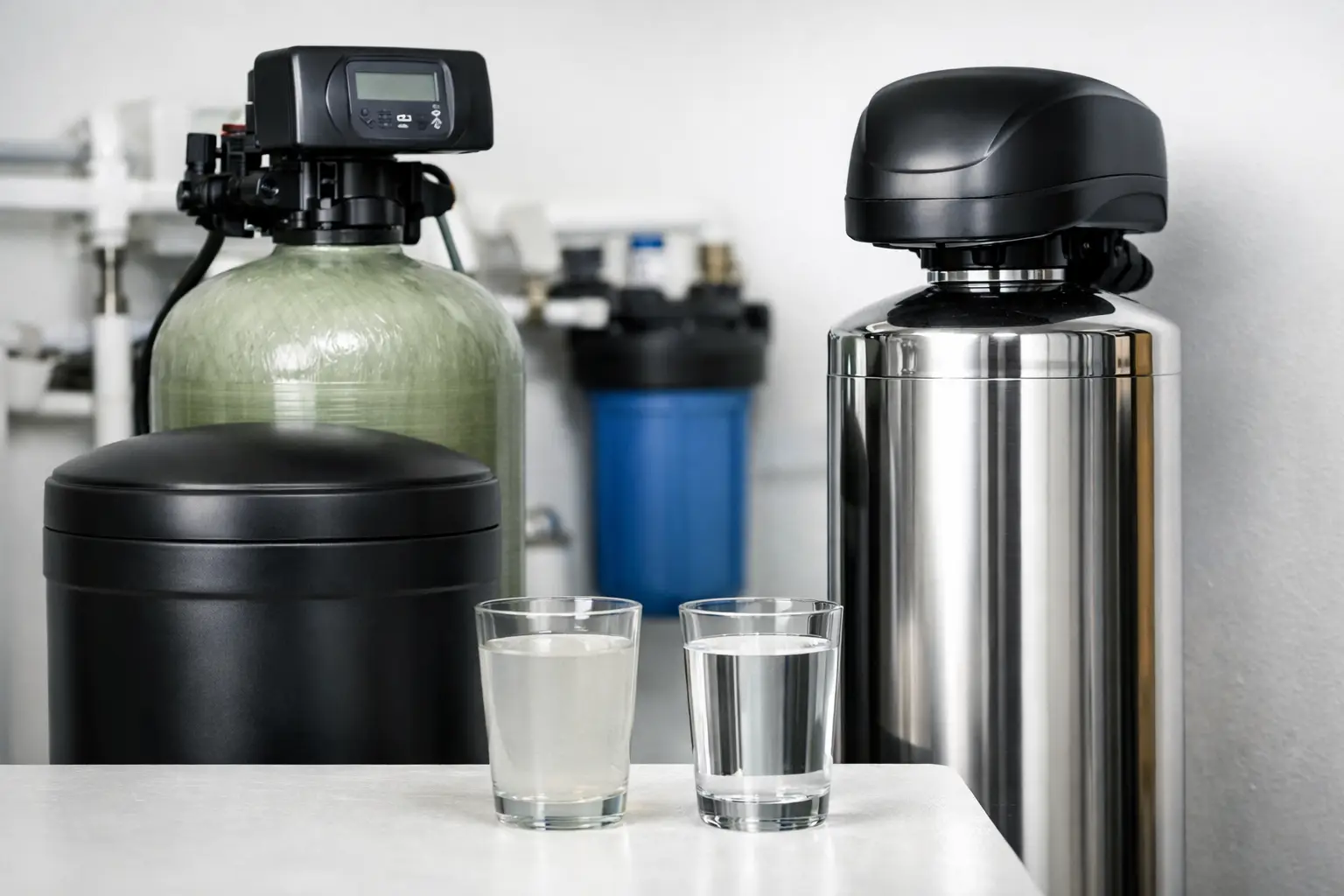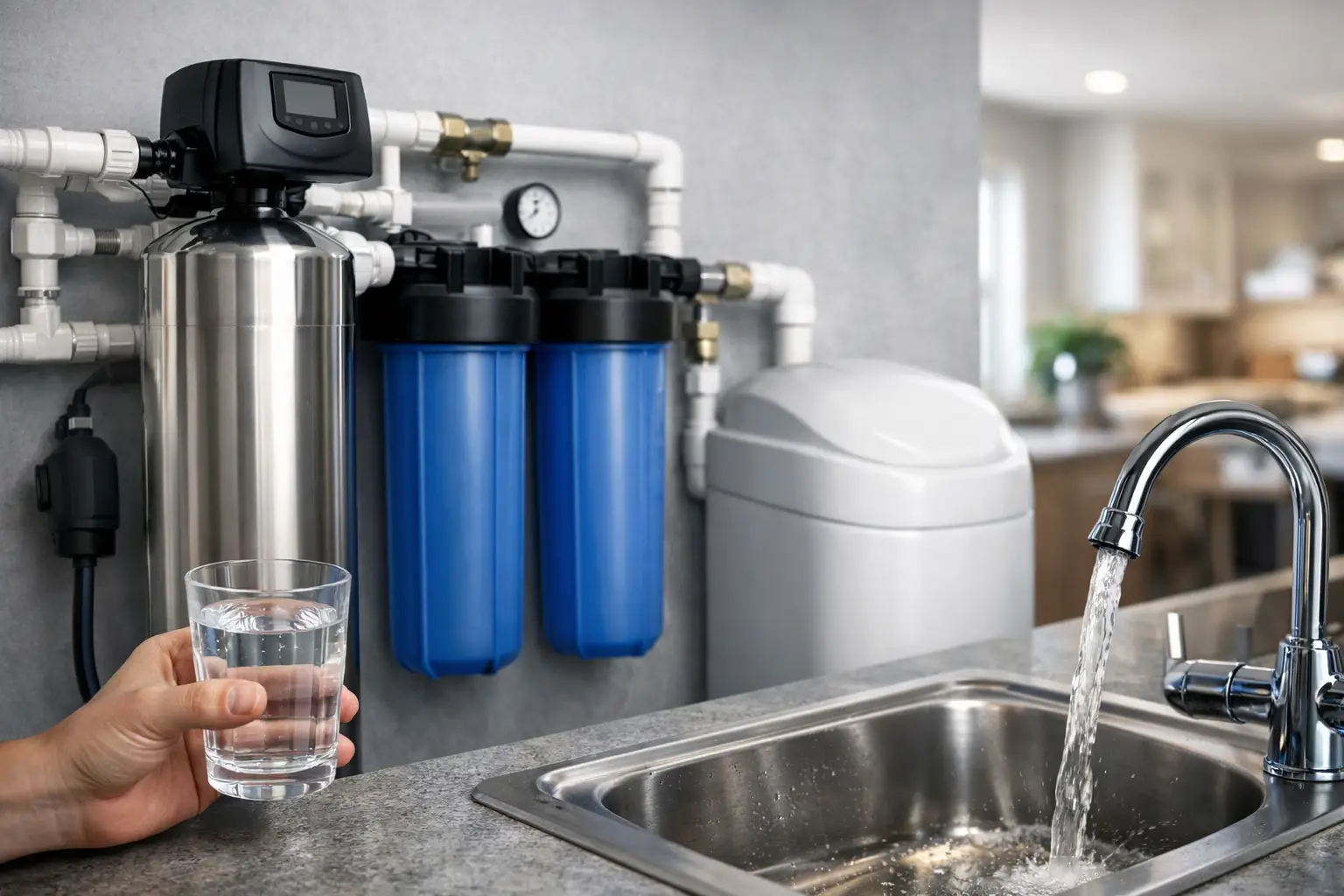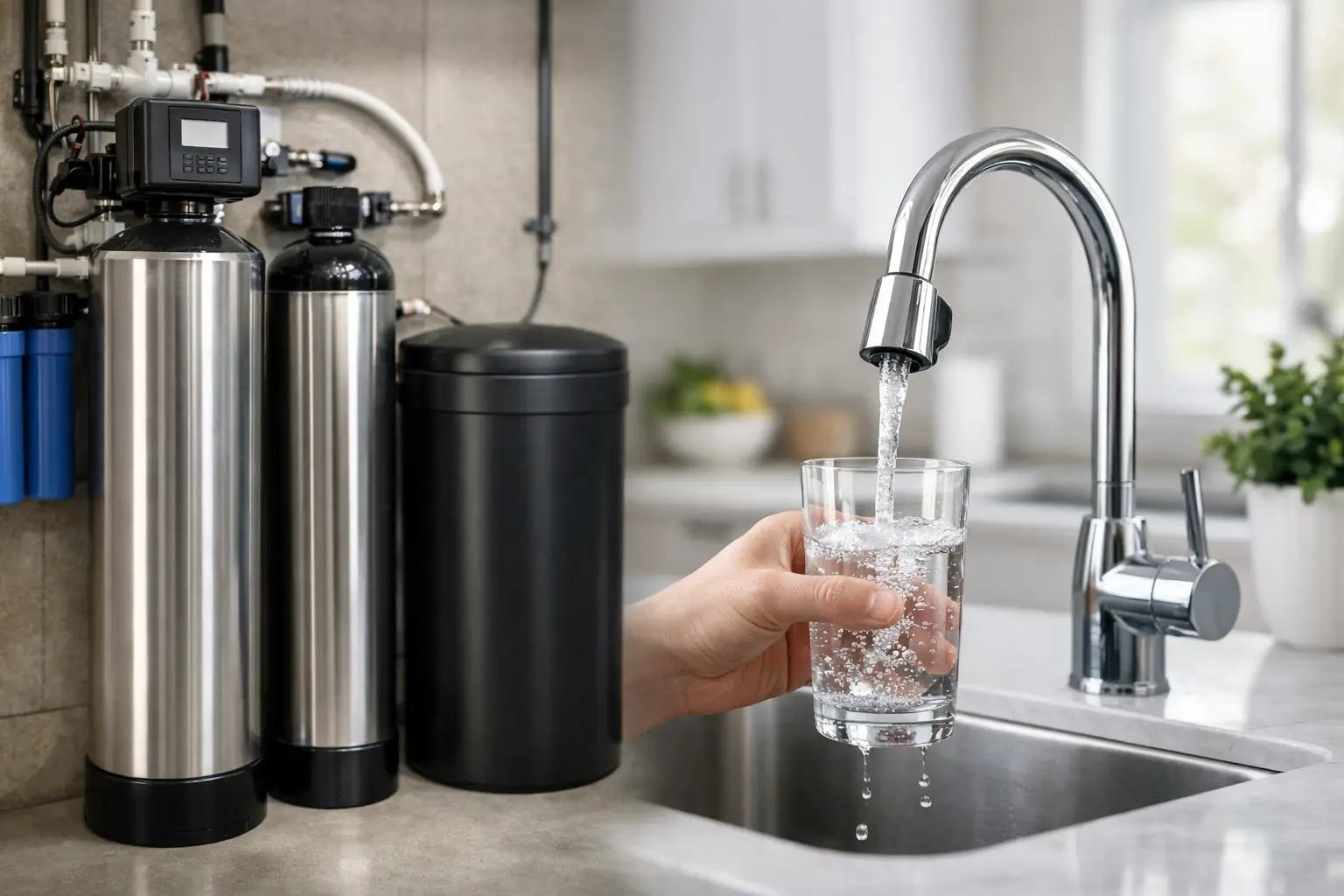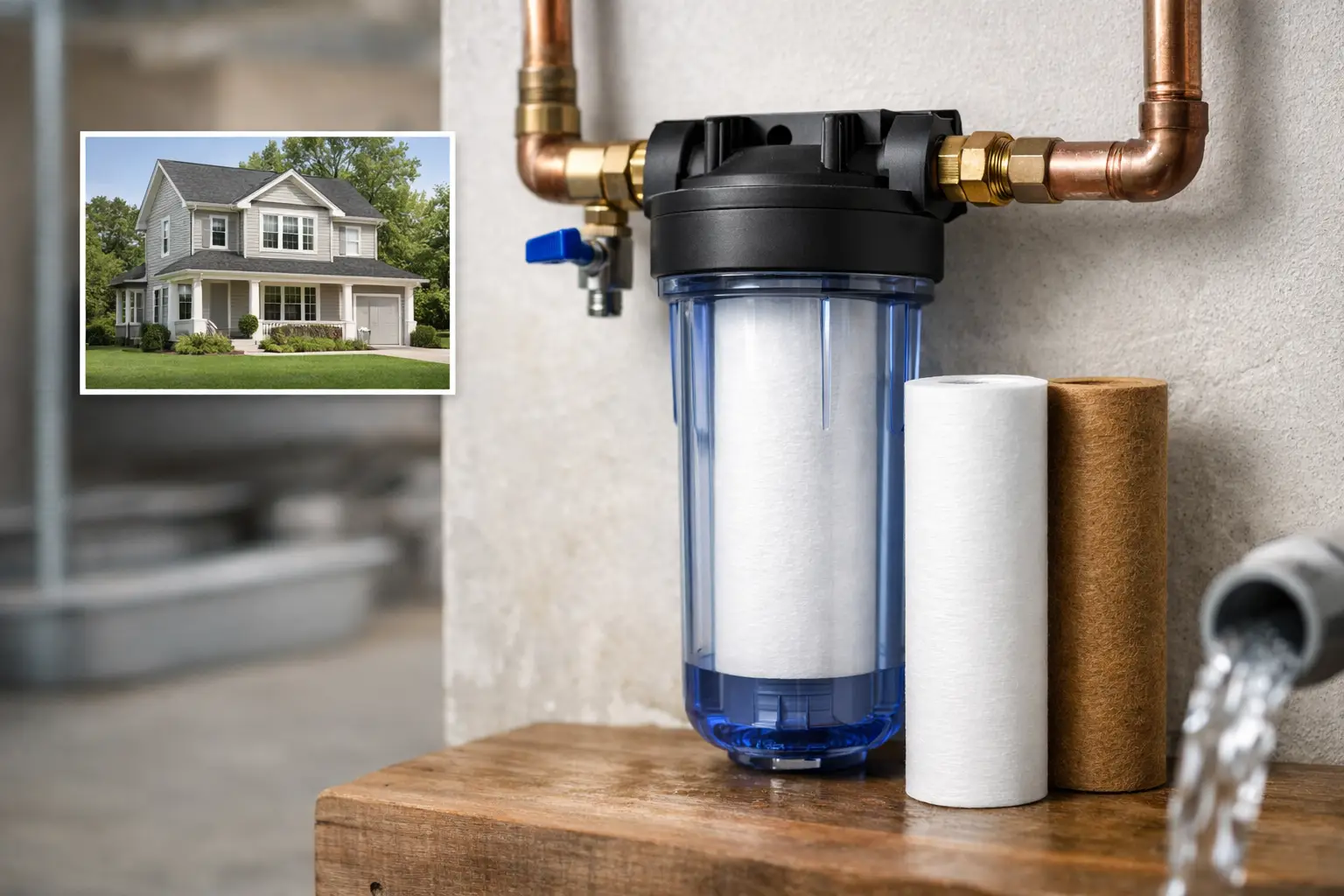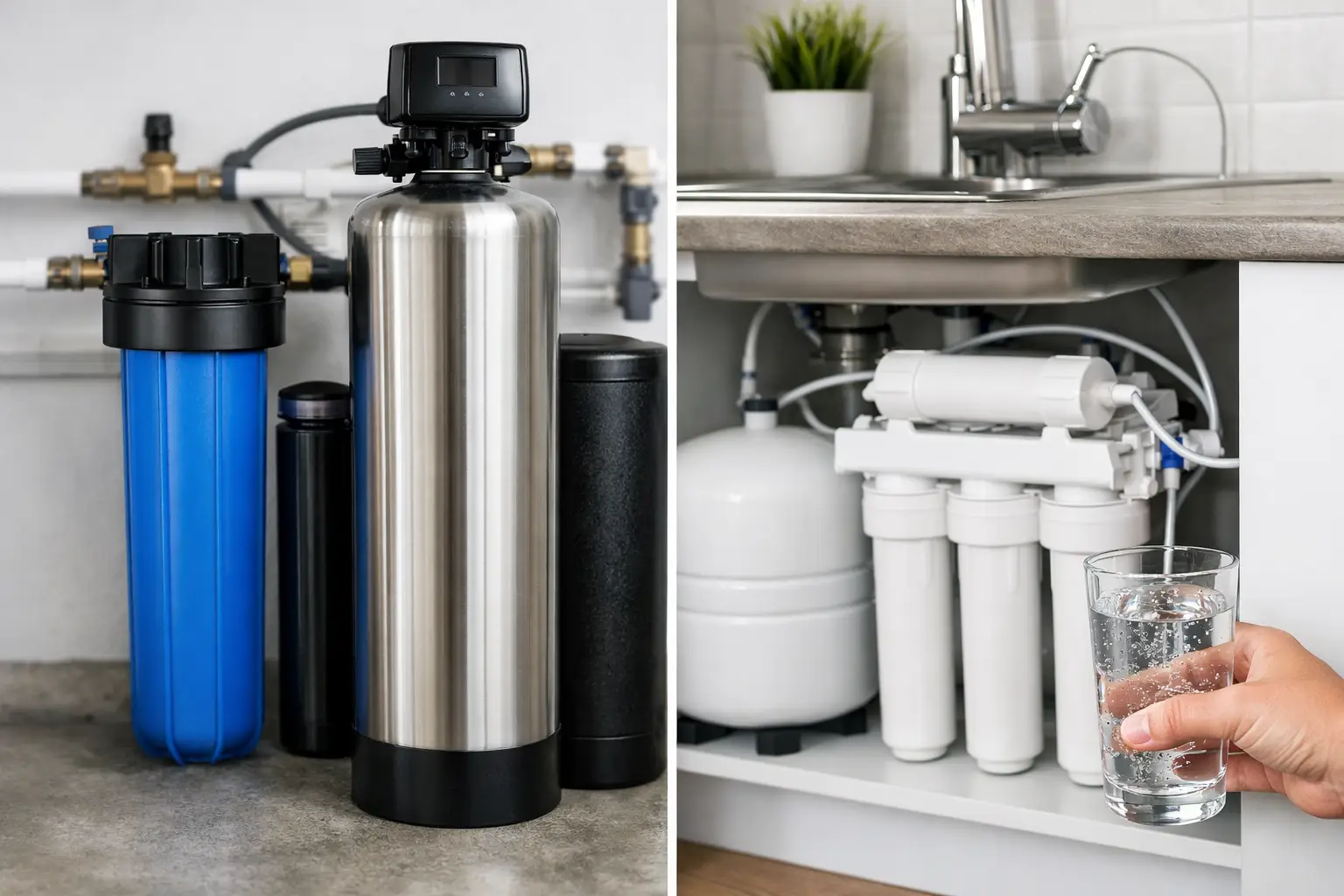

If you’re comparing treatment options for hard water, one of the first practical questions is how long do salt free water softeners last. That question matters because lifespan affects both your long-term cost and how much maintenance you want to deal with. A system that looks simple up front can be disappointing if it stops performing early or needs expensive replacement parts sooner than expected.
The short answer is that most salt-free water conditioners last around 10 to 15 years for the main tank and housing, while the conditioning media inside often lasts about 5 to 10 years before replacement is recommended. Some systems perform longer, and some fall short. The difference usually comes down to water quality, system sizing, installation quality, and whether the unit is actually the right fit for your home.
That last point is the one many homeowners miss. Salt-free systems are often marketed as a low-maintenance answer to hard water, but they do not work the same way as traditional salt-based softeners. So when people ask about lifespan, they are really asking two separate questions: how long the equipment physically lasts, and how long it continues to deliver the result they expected.
How long do salt free water softeners last in real homes?
In real-world residential use, the tank itself is usually the longest-lasting part of the system. A quality mineral tank can often remain in service for 10 to 15 years, sometimes longer if it is protected from freezing, direct sun, pressure problems, and poor installation. Internal components, fittings, bypass valves, and prefiltration parts may need attention earlier, especially in homes with sediment, iron, or high chlorine.
The media lifespan is usually where the conversation gets more nuanced. Many salt-free systems use template-assisted crystallization or similar scale-control media. That media gradually loses effectiveness over time. In many homes, replacement falls somewhere between year 5 and year 10. If the water is especially challenging, the timeline can be shorter.
So if you’re wondering whether the whole unit will need to be replaced in a few years, the answer is usually no. More often, the tank remains in place while the media or supporting components are serviced or replaced as needed.
What affects the lifespan of a salt-free system?
The biggest factor is water chemistry. Hardness level matters, but so do pH, iron, manganese, chlorine, sediment, and total dissolved solids. A salt-free conditioner installed on moderately hard municipal water may last much longer than one installed on untreated well water with iron and heavy sediment.
Iron is a common issue. Even a small amount can coat media and reduce performance over time. Sediment does something similar by fouling internal pathways and creating wear. Chlorine can also shorten the life of some media and seals if the system is not designed to handle it.
Sizing matters just as much as water quality. An undersized unit may technically function, but it can age faster because water moves through it too quickly or too often. A properly sized system has a better chance of maintaining performance over the long haul.
Installation quality also plays a larger role than people expect. Excess pressure, poor bypass setup, incorrect prefiltration, or exposure to outdoor temperature swings can cut years off a system’s useful life. A good system installed poorly rarely performs like it should.
Salt-free lifespan vs salt-based softener lifespan
Homeowners often compare these options side by side, and that is where expectations need to stay realistic. A traditional salt-based softener often lasts 10 to 20 years, depending on resin quality, valve design, and maintenance. A salt-free conditioner can reach a similar equipment lifespan in many homes, but the way it performs is different.
A salt-based softener removes hardness minerals through ion exchange. A salt-free conditioner does not remove calcium and magnesium. Instead, it changes how those minerals behave so they are less likely to form scale. That means the question is not only how long the system lasts, but whether its scale-control approach matches your goals.
If your main concern is reducing scale buildup on fixtures, water heaters, and plumbing, a salt-free unit may be a good fit and may last many years with relatively light upkeep. If you want the slippery soft-water feel, spot reduction, or stronger hardness removal for very hard water, the issue may not be lifespan at all. It may be choosing the wrong technology for the outcome you want.
Signs your salt-free water conditioner may be nearing the end
Most systems do not fail all at once. Performance usually changes gradually. You might start noticing more scale on faucets, shower glass, or heating elements. Your water heater may seem less efficient, or fixture buildup may return faster than it did in the first few years after installation.
That does not always mean the whole system is worn out. Sometimes the media is exhausted. Sometimes a prefilter has been neglected. In other cases, the home’s water chemistry changed over time, especially on well water or after a municipal treatment change.
A professional review can usually tell the difference between a system that needs maintenance and one that has reached the end of its useful life. That is worth doing before replacing equipment unnecessarily.
How to make a salt-free system last longer
The best way to extend lifespan is to protect the conditioner from the water problems it is not built to handle alone. If your water contains sediment, iron, sulfur, or high chlorine, pretreatment can make a major difference. A sediment filter, carbon filter, or iron reduction system upstream may keep the conditioner working longer and more consistently.
Routine inspection helps too. Even though salt-free systems are marketed as low maintenance, low maintenance is not the same as no maintenance. Checking pressure, replacing prefilters on schedule, and watching for changes in scale buildup can prevent small issues from turning into bigger ones.
It also helps to be realistic about capacity and application. A family of five with very hard well water and multiple bathrooms puts much more demand on a system than a two-person home on average municipal water. The equipment should match the house, not just the marketing label on the box.
How long do salt free water softeners last before media replacement?
For most homeowners, this is the most useful version of the question. The tank may last more than a decade, but media replacement is the maintenance milestone that usually arrives first. A fair planning estimate is 5 to 10 years, with some premium systems stretching beyond that under favorable conditions.
If you are shopping, ask for specifics. What media does the system use? What is the expected replacement window for your actual water profile? Is there upstream filtration required to preserve media life? Those answers are more valuable than a vague claim that the system is “maintenance free.”
That phrase often causes confusion. Salt-free systems do avoid salt bags, regeneration cycles, and brine discharge. That is a real advantage for many households. But every water treatment system has service intervals, and honest expectations lead to better buying decisions.
Is a longer lifespan always the right buying factor?
Not by itself. A system that lasts 15 years but never solves your water problem is not a good value. On the other hand, a well-matched system with a media replacement at year 7 can still be the better investment if it protects plumbing, reduces scale, and fits your maintenance preferences.
This is especially true when homeowners use the term “water softener” loosely. Many salt-free products are more accurately called water conditioners or scale prevention systems. That does not make them inferior. It just means they should be chosen for the right reasons.
For families who want lower-maintenance scale control without salt, they can be an excellent option. For households with severe hardness or specific comfort expectations, a different setup may make more sense. Sometimes the right answer is a whole-house combination approach that treats multiple water issues together instead of expecting one tank to do everything.
At Authentic Water USA, that is often where the best outcomes happen – matching the system to the water, the home, and the way the family actually uses it.
When you ask how long a salt-free water softener lasts, think beyond the tank warranty. Ask how long the media lasts, how your water quality affects it, and whether the system is designed for your real problem. Clean, better-performing water should feel simpler once the right solution is in place.