

Key Takeaway
Xenoestrogens are hormone-disrupting compounds that can enter water supplies through pharmaceuticals, plastics, and agricultural runoff. Because these contaminants may exist at trace levels and can be difficult to remove with basic filtration, many homeowners choose advanced treatment options—such as multi-stage filtration or reverse osmosis—to reduce potential exposure and improve overall water quality.
What are xenoestrogens in water?
Xenoestrogens are compounds that can mimic estrogen or disrupt normal hormone signaling in the body. They can be synthetic (man-made) or naturally occurring, and they’re often discussed as part of a larger category called endocrine-disrupting chemicals (EDCs).
Many homeowners have heard of contaminants like chlorine, lead, or hard water minerals, but xenoestrogens are less familiar because they’re not obvious. You typically won’t notice them through taste, smell, or appearance—yet they can still be present in trace amounts in drinking water.
These compounds are considered an emerging concern because they can come from everyday sources and may persist through parts of the water cycle. For a high-authority overview of endocrine-disrupting chemicals and how they can affect health, the U.S. Environmental Protection Agency (EPA) explains endocrine disruption and ongoing research in clear, public-facing terms.
How do xenoestrogens get into drinking water?
Xenoestrogens can enter drinking water through multiple pathways, including wastewater discharge, agricultural runoff, and chemicals released from consumer products. Once these compounds reach rivers, lakes, or groundwater, they can become part of the water sources that communities rely on for drinking water.
Some of the most common entry points include:
- Pharmaceuticals: Improper disposal of medications (like flushing them) can contribute to trace pharmaceutical residues in wastewater.
- Agricultural chemicals: Runoff may carry pesticides and herbicides into local water sources after rainfall or irrigation.
- Plastics and consumer products: Certain chemicals used in plastics, personal care products, and cleaning products can enter waterways through household waste and runoff.
If you want a deeper breakdown of how trace contaminants can circulate through water systems, these resources provide additional context:
- How pharmaceuticals can pollute tap water
- Pesticides in our water supply
- Herbicides in our water supply
Are xenoestrogens harmful to humans?
Xenoestrogens may raise health concerns because they can interact with hormone receptors and influence how the endocrine system communicates. The endocrine system helps regulate key functions such as growth, metabolism, reproduction, and mood, which is why hormone-disrupting compounds get so much scientific attention.
Research into endocrine disruption continues to evolve, and effects can depend on many factors, including the specific compound, the level of exposure, and individual sensitivity. What’s clear is that hormone signaling is complex—and minimizing unnecessary exposure to hormone-disrupting contaminants is a reasonable goal for many families, especially those who want more control over what they drink and cook with daily.
Because these compounds are not reliably detectable without testing and may appear alongside other water contaminants, many homeowners start by learning what else could be present in their water. This overview of toxins commonly found in drinking water can help you understand the bigger picture.
Can xenoestrogens be filtered out of tap water?
Xenoestrogens can often be reduced with advanced filtration, but results depend on the type of contaminant and the system you choose. Basic filters may improve taste and reduce chlorine, but hormone-disrupting compounds and other trace organics can require more robust treatment approaches.
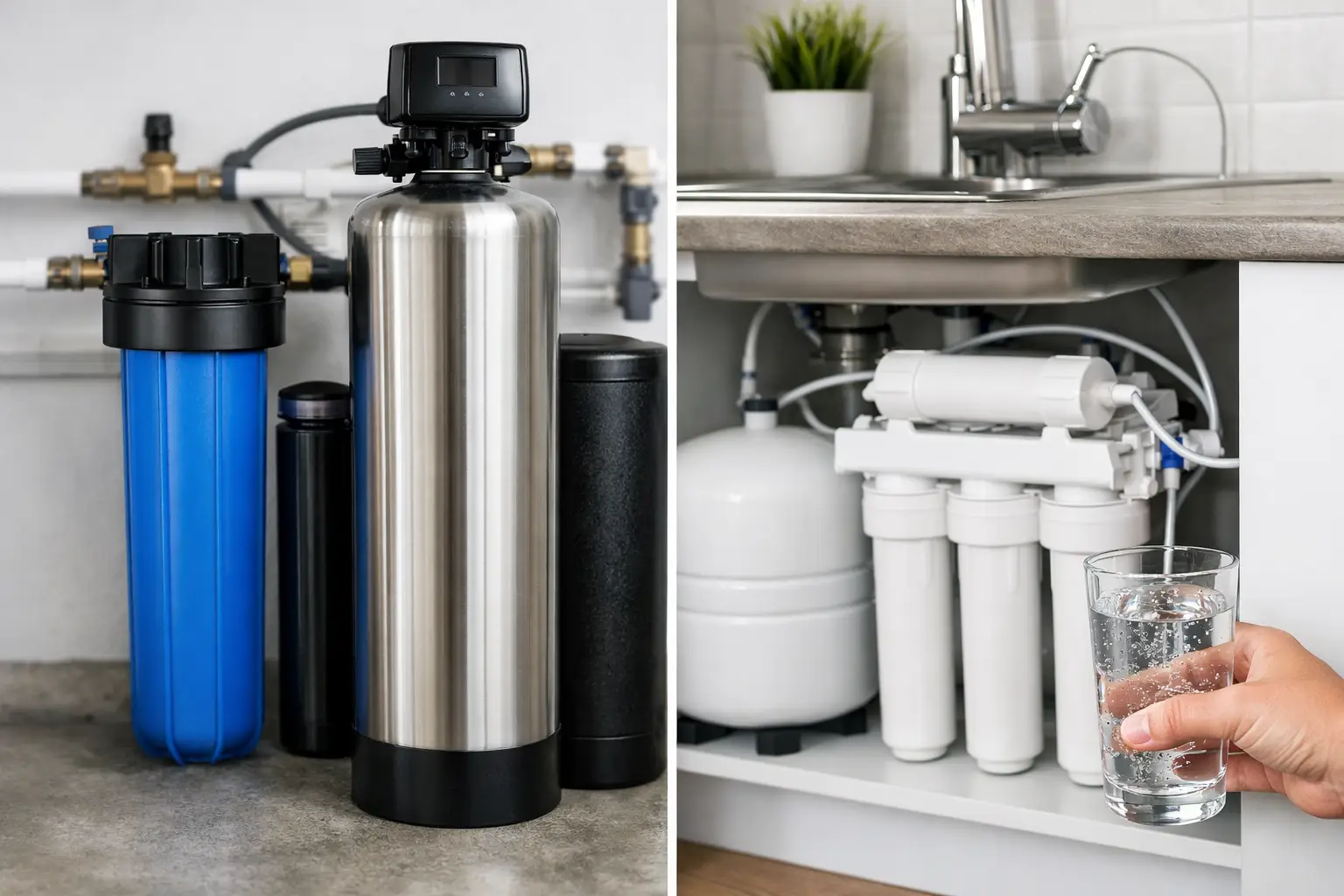
Home filtration systems generally fall into two categories:
- Point-of-use systems: Installed at a single tap (often the kitchen sink) to treat drinking and cooking water.
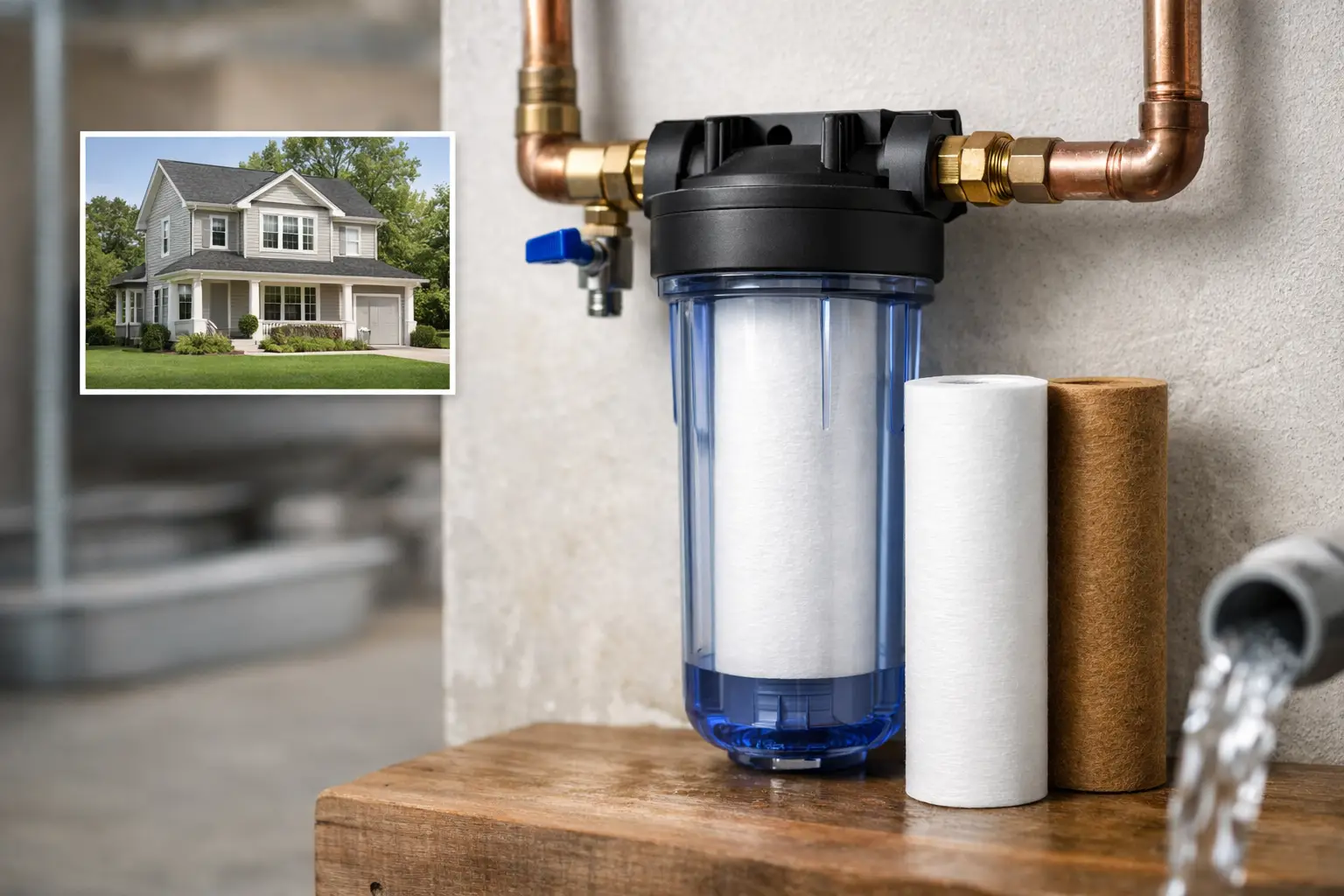
- Point-of-entry systems: Installed where water enters the home to treat water for showers, laundry, and every faucet.
For many households, the best strategy is to match the filtration method to the goal. If you want the cleanest possible water for drinking and cooking, a point-of-use system is often the priority. If you want broader coverage for bathing and whole-home water quality, a point-of-entry system may make sense.
What water filtration systems work best for hormone disruptors and emerging contaminants?
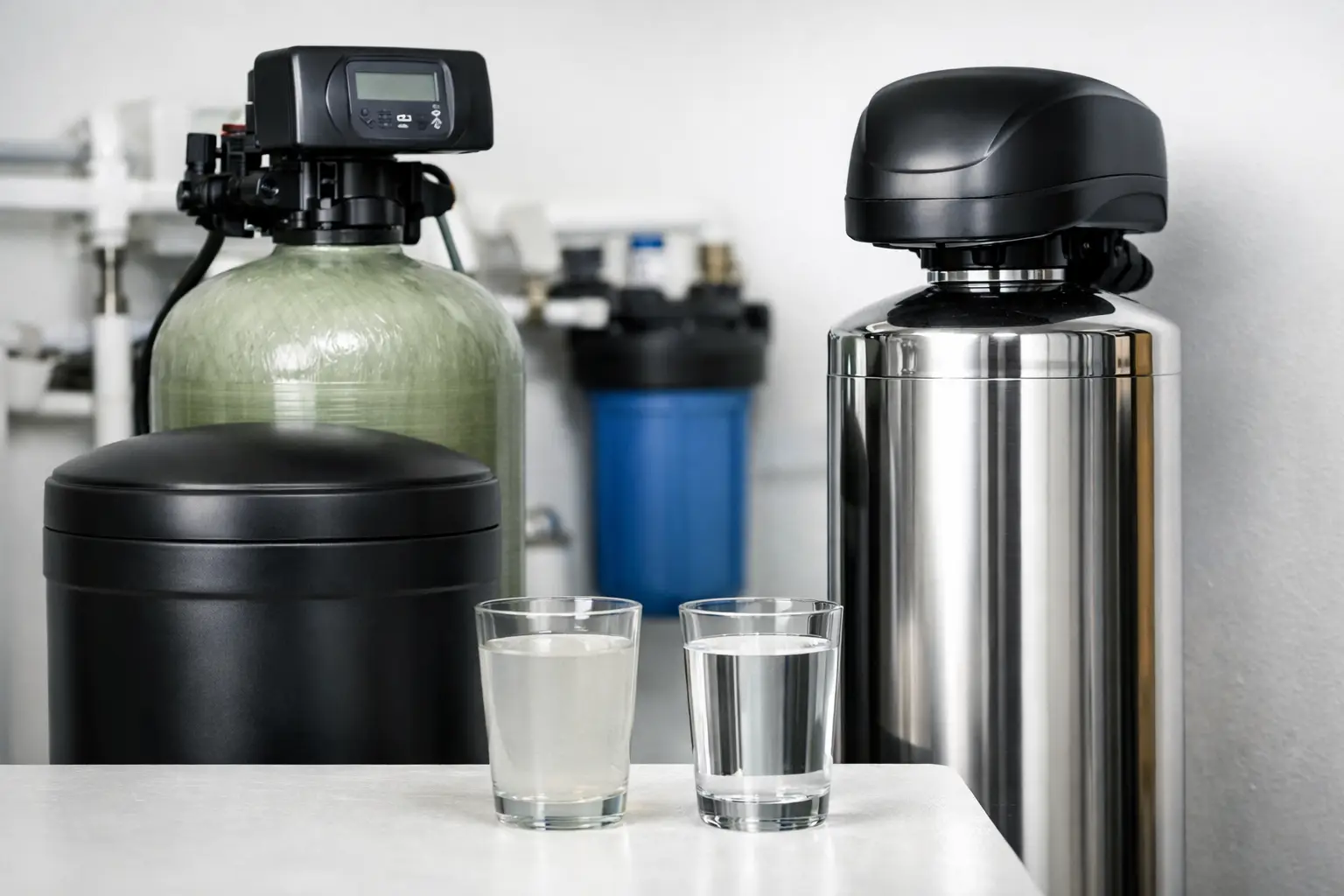
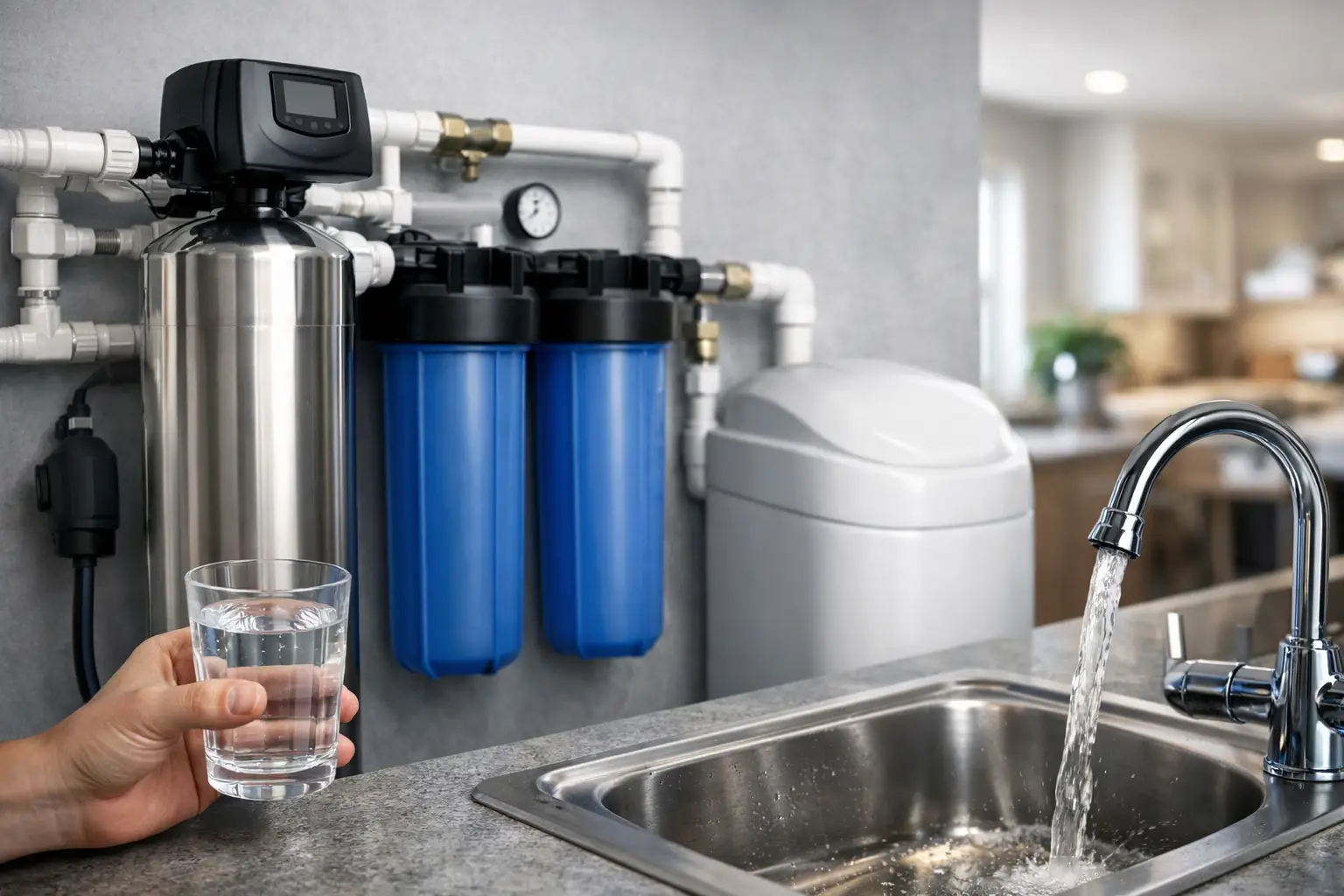
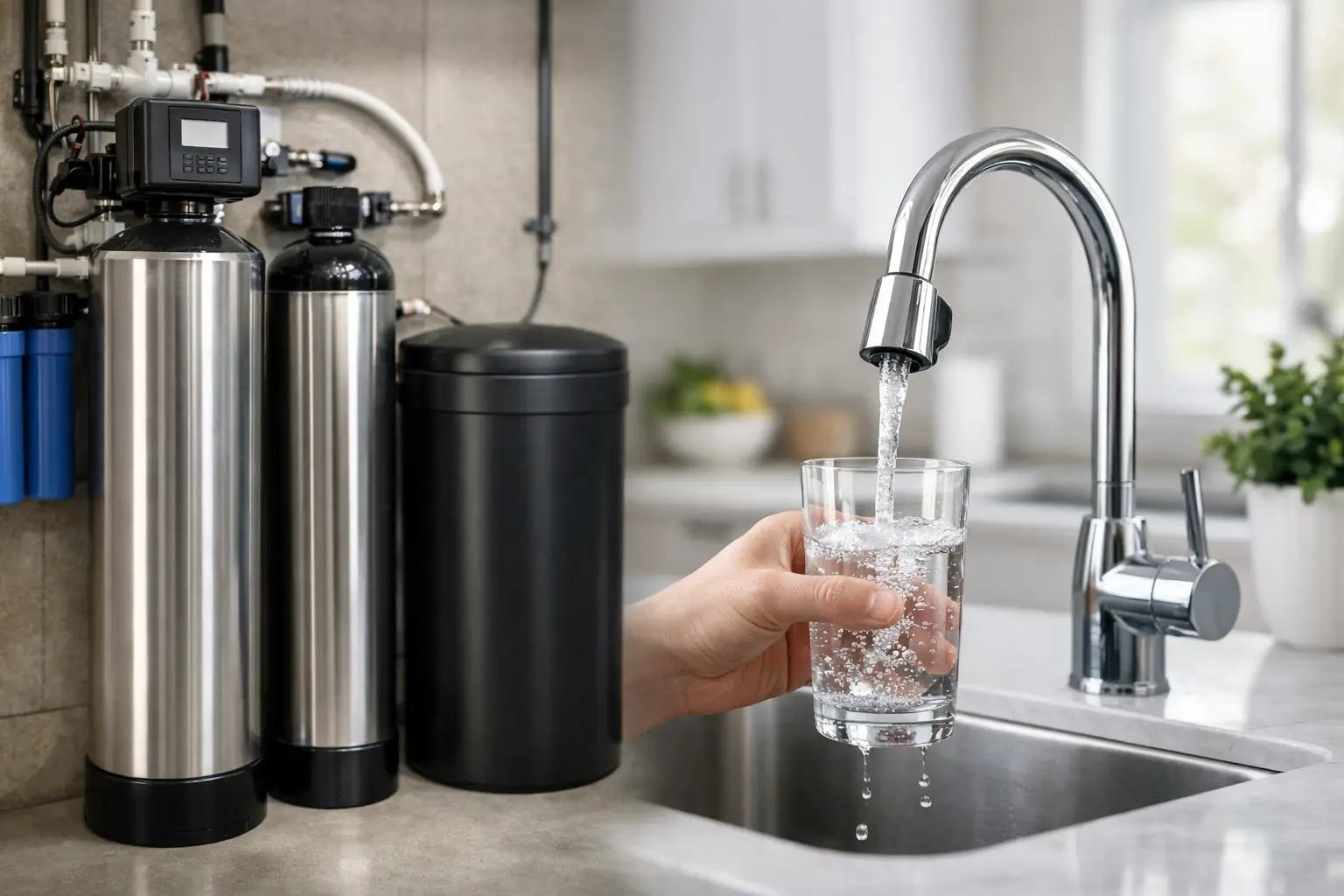
Multi-stage filtration and reverse osmosis systems are among the most commonly recommended options for reducing a wide range of trace contaminants. These systems use multiple treatment steps—often including activated carbon and membrane filtration—to target different categories of impurities.
Here’s a practical breakdown of what homeowners typically consider:
Filtration Options (Simple Comparison)
Helps reduce chlorine taste/odor and some organic compounds, but performance varies depending on filter quality and contaminant type.
Combines multiple treatment steps (often sediment + carbon + additional media) for broader coverage and better contaminant reduction.
Uses membrane filtration and additional stages to reduce many dissolved contaminants, making it a popular option for drinking water.
Because xenoestrogens may appear alongside other difficult-to-treat contaminants, some homeowners also compare filtration strategies for compounds like PFAS. This guide on PFAS and “forever chemical” components explains why certain contaminants can be more persistent and why filtration choice matters.
If you’re exploring options for your home, these drinking water systems provide examples of multi-stage and reverse osmosis solutions designed for modern water concerns.
Should you worry about exposure beyond drinking water?
Water exposure can happen through more than just drinking, since water is also used for bathing, cooking, brushing teeth, and washing dishes. That’s why some homeowners prefer whole-home treatment—especially if they want more consistent water quality at every tap.
While drinking water is often the main focus, households with sensitive skin, chemical sensitivities, or strong preferences for cleaner water throughout the home may consider point-of-entry filtration for a broader layer of protection.
If you’re curious about the “whole-home” side of water quality, this article on how shower water can affect exposure offers additional insight into why some families go beyond sink filters.
FAQ: Common questions about xenoestrogens in water
What are xenoestrogens?
Xenoestrogens are compounds that can mimic estrogen or interfere with hormone signaling, which is why they’re often discussed as endocrine-disrupting chemicals (EDCs).
How do xenoestrogens end up in my water?
They can enter waterways through wastewater discharge, agricultural runoff, and chemicals from consumer products, and may persist into water sources used for drinking water.
Can I test my water for xenoestrogens?
Specialized testing may be required to identify trace organic contaminants, and professional guidance can help you determine the best testing and treatment approach for your water source.
Does reverse osmosis remove xenoestrogens?
Reverse osmosis systems can reduce many dissolved contaminants and are commonly used for advanced drinking water treatment, but effectiveness depends on system design and the specific compounds present.
Is whole-home filtration worth it?
Whole-home filtration can be worth it if you want consistent treatment for showers, laundry, and every faucet, especially when your goal includes reducing exposure beyond drinking water.
What’s the best next step if I’m concerned?
The best next step is to test your water (or review local water reports if you’re on municipal supply) and choose filtration based on your results and household priorities.
Take control of what flows through your home
Understanding xenoestrogens is really about understanding modern water reality: many contaminants today don’t look, smell, or taste like a problem. If you want more confidence in your water, the most practical approach is to start with awareness, verify what’s in your supply, and then choose filtration that matches your goals.
For many households, that means combining smart testing with advanced filtration options that can reduce trace contaminants more effectively than basic filters. Whether your priority is cleaner drinking water, better cooking water, or whole-home coverage, the right setup is the one that fits your household and your water chemistry—not a one-size-fits-all guess.
If you’re ready to improve your water quality, start by requesting guidance and system recommendations through the Authentic Water USA contact page. A personalized approach helps you choose the best filtration path for your home, your water source, and your long-term health priorities.