
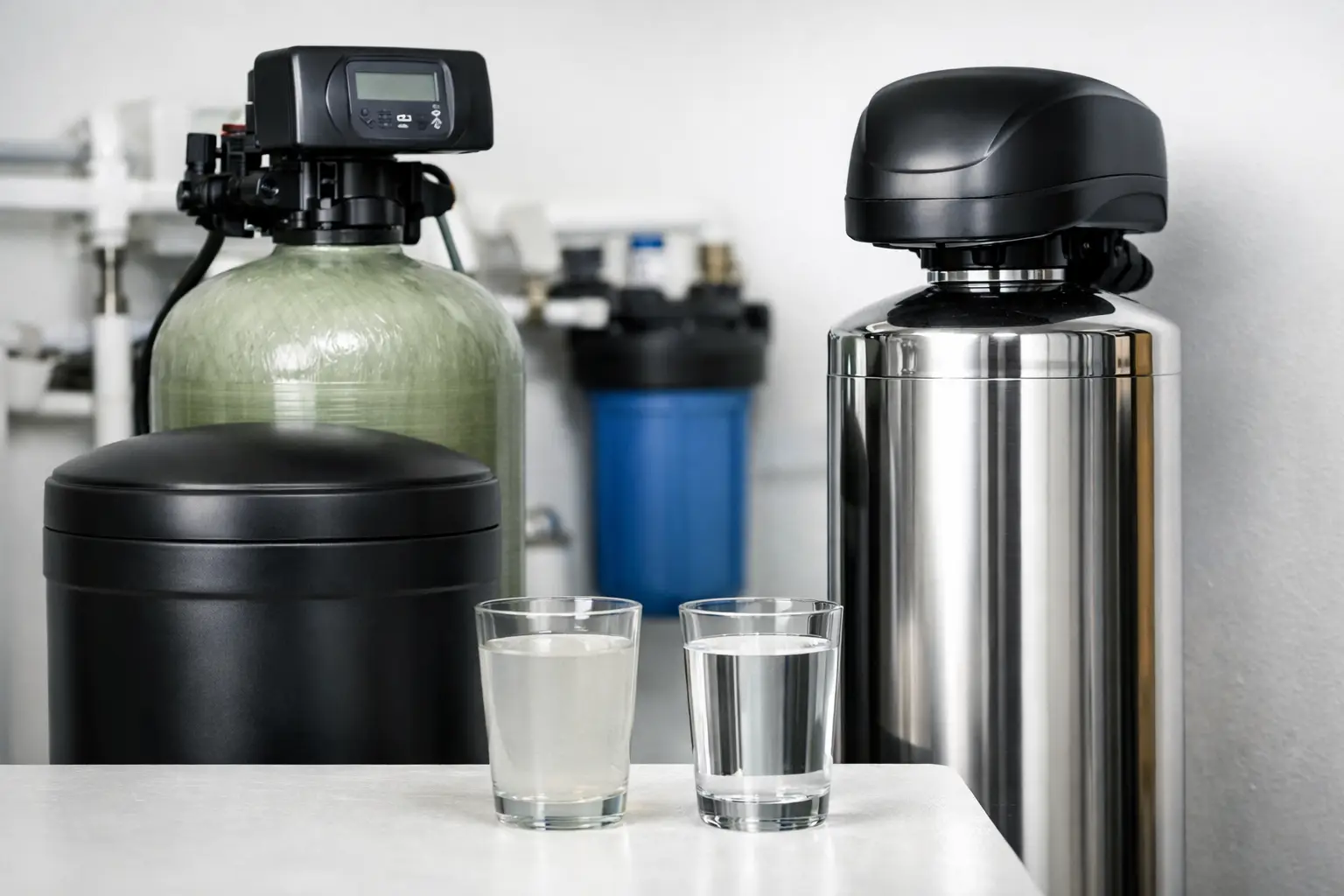
Hard water usually introduces itself before you ever test it. You see white scale around faucets, feel a film on your skin after showering, notice stiff laundry, or replace appliances sooner than expected. When homeowners start comparing water softener vs conditioner options, the real question is not which one sounds better. It is which one actually solves the water problem you have.
That distinction matters because softeners and conditioners are not the same system with different marketing. They work differently, target different outcomes, and come with different maintenance needs. If you want cleaner-feeling water, less scale, better soap performance, and longer appliance life, choosing the right approach starts with understanding what each unit can and cannot do.
Water softener vs conditioner: the core difference
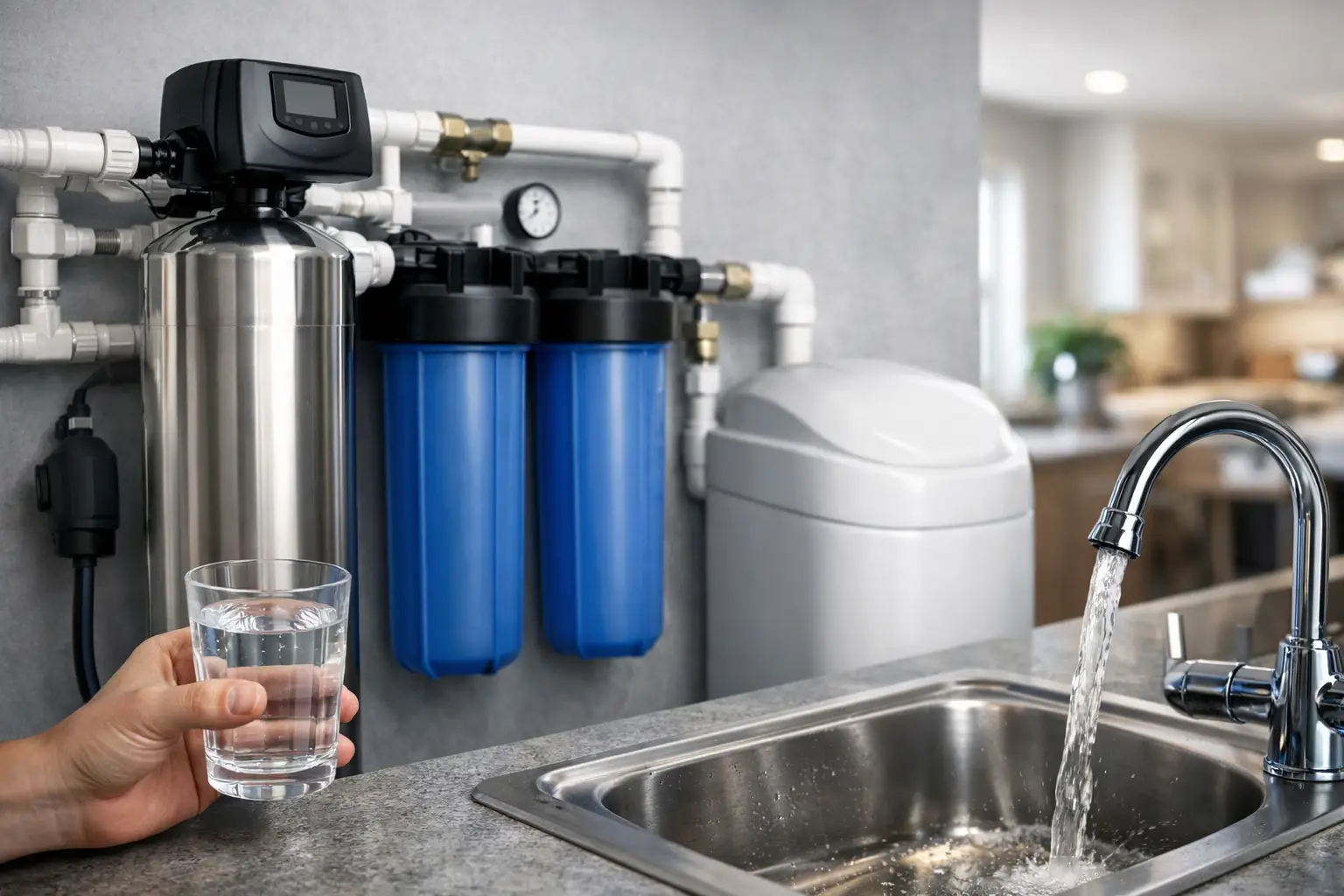
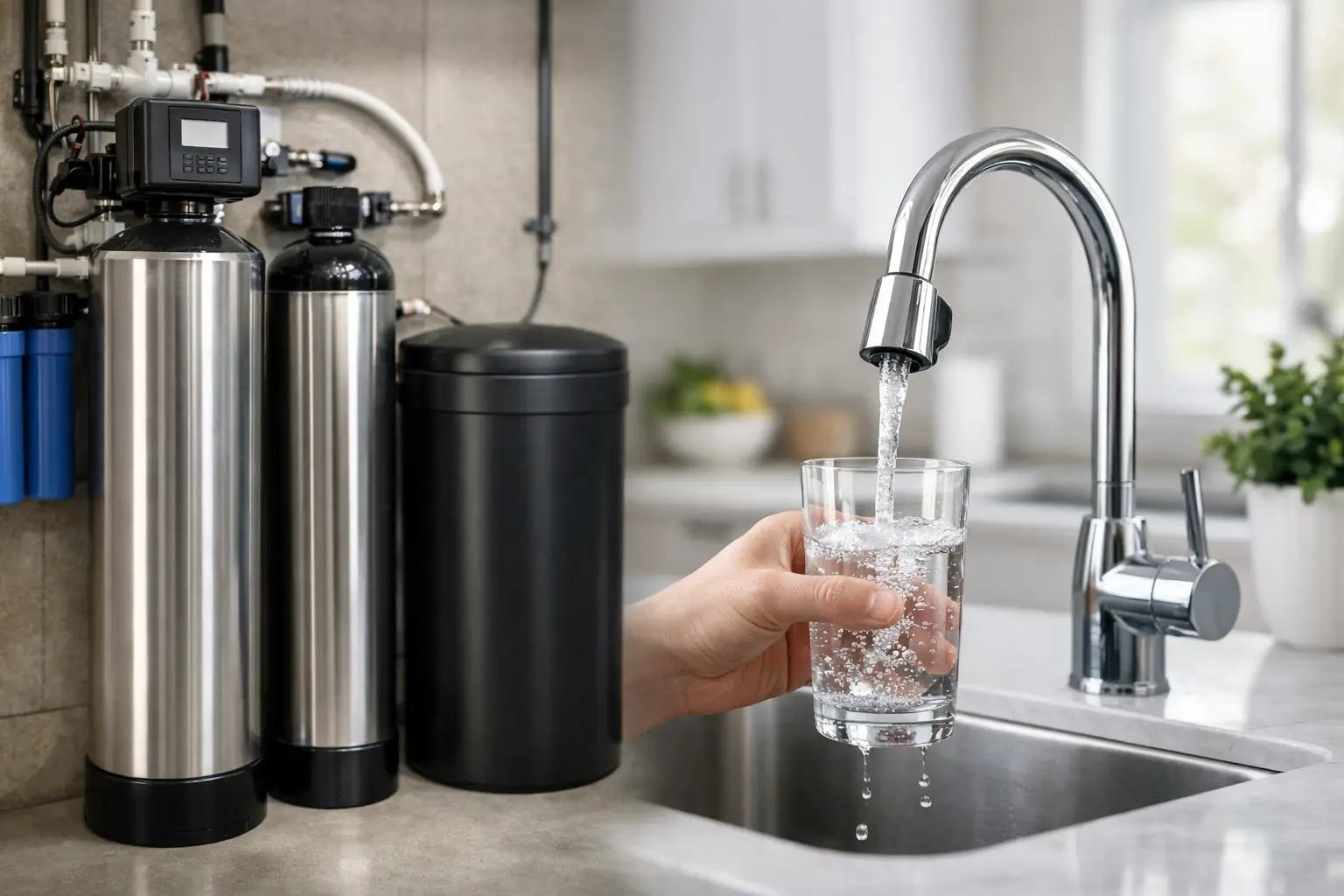
A water softener removes hardness minerals from the water. In most homes, those minerals are calcium and magnesium. Traditional softeners use ion exchange resin and salt to replace hardness minerals with sodium or potassium. Once those minerals are removed, the water behaves differently throughout the home. Soap lathers more easily, scale buildup drops significantly, and plumbing fixtures usually stay cleaner.
A water conditioner, especially a salt-free water conditioner, does not remove hardness minerals. Instead, it changes how those minerals behave so they are less likely to stick to surfaces and form hard scale. That can be a strong fit for homeowners who want scale control without salt, brine discharge, or the maintenance routine of a conventional softener.
So if you are looking at water softener vs conditioner choices, the first thing to know is simple: one removes hardness, the other helps manage its effects.
What a water softener is best at
If your biggest frustrations are classic hard water symptoms, a softener is often the more complete fix. Because it removes calcium and magnesium, it addresses the root cause of those issues rather than just reducing scale formation.
That difference shows up quickly in daily life. Skin and hair often feel less dry after bathing. Soap scum is easier to control in showers and sinks. Dishes come out cleaner, laundry may feel softer, and water heaters, dishwashers, and washing machines tend to operate more efficiently when scale is not building inside them.
For homes with moderate to very hard water, especially where hardness is causing visible buildup or appliance wear, a softener usually delivers the most noticeable improvement. It is also the better option if you want the water itself to be truly soft, not simply conditioned for scale resistance.
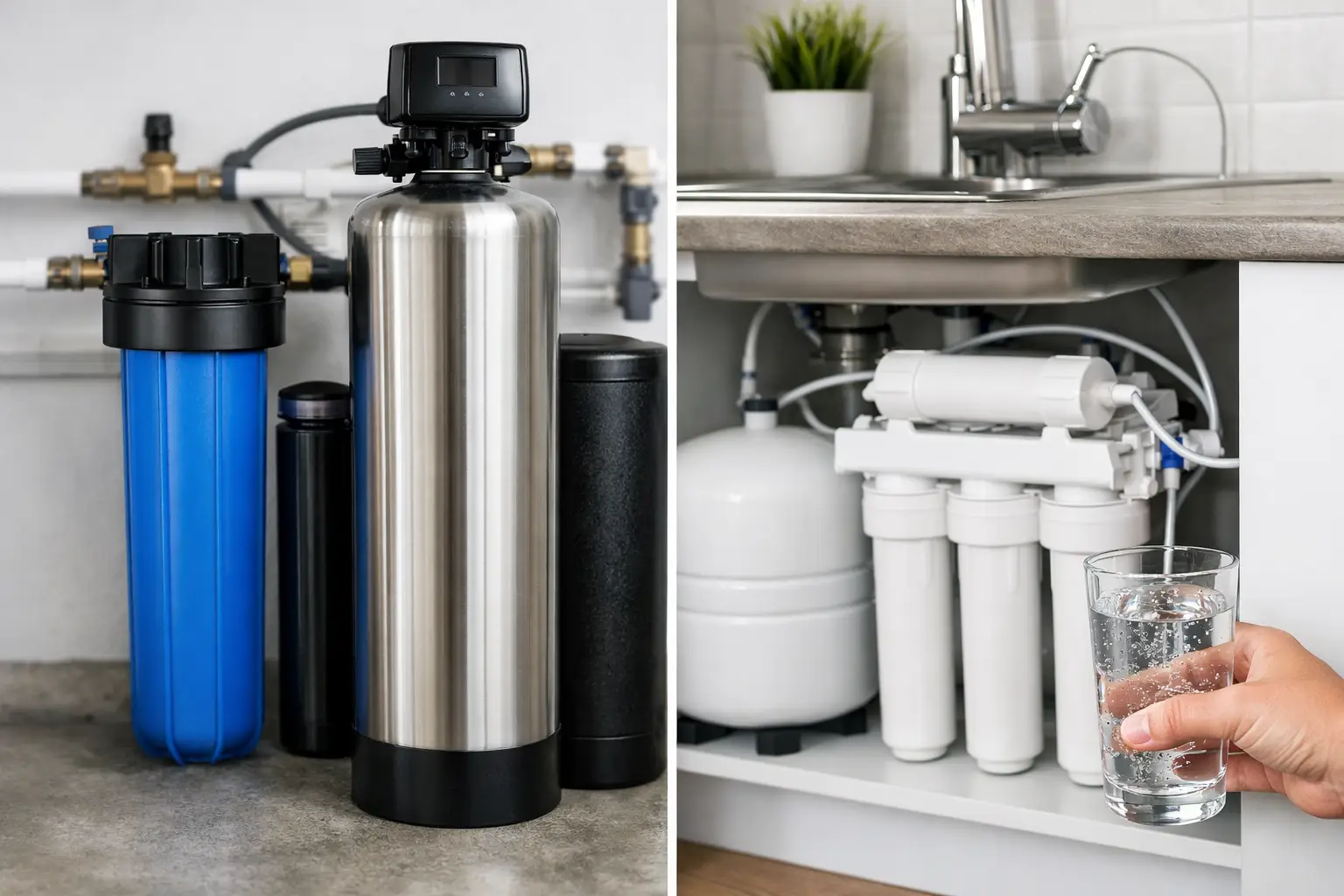
The trade-off is maintenance. Salt-based softeners need salt refills, periodic service, and a proper drain connection for regeneration. Some homeowners also prefer to avoid added sodium, though for most household uses this is not a practical concern. If drinking water mineral content is a priority, many families pair a whole-house softener with a reverse osmosis drinking water system at the kitchen sink.
What a water conditioner is best at
A conditioner is often a good fit when the goal is scale reduction with less upkeep. Salt-free systems are popular with homeowners who want a simpler setup, prefer not to buy salt, or live in areas where brine discharge restrictions apply.
These systems can help limit scale accumulation on pipes, fixtures, and water-using appliances. In many homes, that means less crusty buildup around faucets and less internal scaling in plumbing. They also tend to preserve naturally occurring minerals in the water, which some homeowners prefer.
But this is where expectations need to stay realistic. Conditioners do not create soft water in the traditional sense. You may still notice spotting on glassware, harder-to-lather soap, and the same mineral content in the water. If your skin feels dry because of hard water, or you are trying to eliminate soap scum as much as possible, a conditioner may not deliver the same level of change as a true softener.
A conditioner can be the right answer, but usually when the target is scale control rather than full hardness removal.
When a softener makes more sense than a conditioner
A softener usually makes more sense when hardness is high and the effects are showing up everywhere. If your shower doors cloud quickly, your dishwasher struggles with spots, your water heater has efficiency issues, or your plumbing fixtures collect thick mineral scale, removing those minerals is often the most effective path.
It also tends to be the better choice for larger families and high water-use homes. More showers, more laundry, and more appliance use mean hard water has more chances to create buildup and reduce efficiency. In those cases, the practical value of softened water can outweigh the added maintenance.
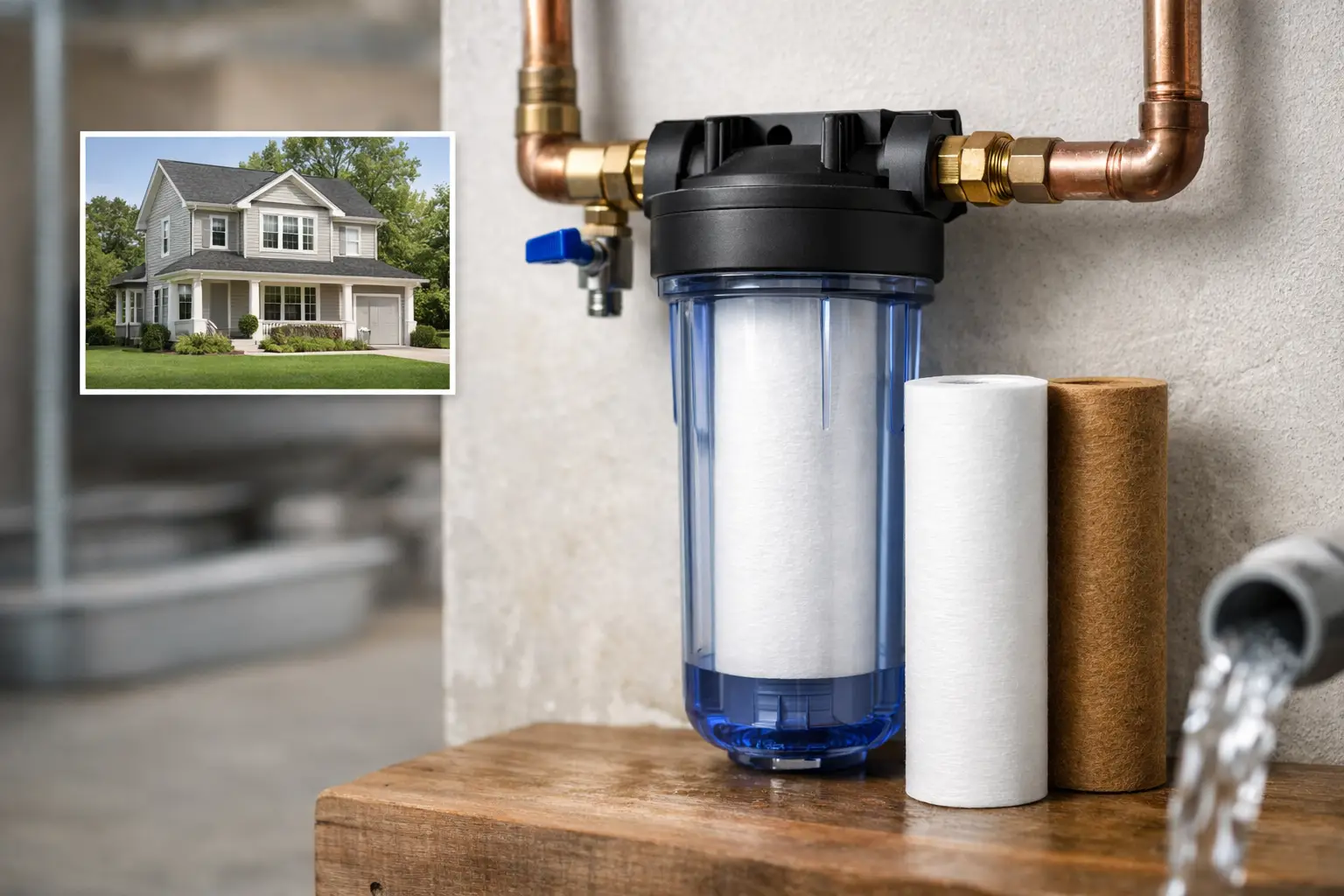
Homes on well water may also benefit from a softener, though hardness is only part of the picture there. If iron, manganese, sulfur, sediment, or low pH are involved, the right system may include pretreatment or a larger whole-house setup. Hardness should never be evaluated in isolation when other water quality problems are present.
When a conditioner may be the better fit
A conditioner may be the better fit if your hardness level is mild to moderate and your main concern is preventing scale, not achieving every benefit of soft water. It can also appeal to homeowners who want a lower-maintenance system and do not want to handle bags of salt.
This choice can be especially appealing in homes where people are comfortable with the feel of their water and are mainly focused on protecting plumbing and appliances. It may also suit properties where installation constraints make a traditional softener less desirable.
Still, results depend heavily on water chemistry. A conditioner that works well in one house may be less effective in another if the hardness level is much higher or if other contaminants are interfering. That is one reason water testing matters before buying anything.
The question most homeowners miss
The biggest mistake in the water softener vs conditioner conversation is assuming hardness is the only issue. Many homeowners are really dealing with several problems at once. Hardness may be part of it, but chlorine, chloramine, iron, sulfur odor, sediment, or drinking water contaminants can also be affecting comfort and water quality.
A softener does not remove chlorine. A conditioner does not filter sediment. Neither system is a substitute for reverse osmosis when the goal is high-quality drinking water at the tap. If your water tastes bad, smells off, stains fixtures orange, or leaves black specks in tubs, the right solution may involve multiple technologies working together.
That is why whole-home planning usually works better than buying one product based on one symptom. The best system is the one matched to your actual water, your household size, and the problems you want solved.
How to choose between a water softener vs conditioner
Start with a water test. That gives you the hardness level and helps identify other issues that could affect system performance. Without that information, you are guessing.
Next, think about your main goal. If you want true soft water, better soap performance, less residue on skin and hair, and strong protection against scale, a softener is usually the better tool. If your goal is mainly reducing scale with less maintenance and no salt, a conditioner may be worth considering.
Then look at your tolerance for upkeep. Some homeowners do not mind adding salt and maintaining a softener because the results are clear and immediate. Others want a simpler system and are comfortable with more modest changes.
Finally, be honest about expectations. If you choose a conditioner, do not expect the same feel and performance as softened water. If you choose a softener, remember that it addresses hardness, not every water quality concern in the home.
For many households, the smartest answer is not softener or conditioner alone. It is a properly matched whole-house system that handles hardness along with chlorine, sediment, or other contaminants. That is often where homeowners get the biggest improvement in comfort, taste, appliance protection, and peace of mind.
At Authentic Water USA, we see this every day. Homeowners are often less confused once they stop asking which system is better in general and start asking which system is right for their water.
If your home water is leaving scale, drying your skin, affecting taste, or wearing down appliances, the next best step is not to chase the loudest claim. It is to match the solution to the problem so your water works better everywhere you use it.